
Mistletoe fig
Ficus deltoidea Jack
Description
The Mistletoe fig (Ficus deltoidea) is a distinctive evergreen shrub belonging to the Moraceae family. Often recognized for its unique leaf morphology and growth habit, it frequently appears as an epiphyte in tropical rainforest canopies, though it can also thrive as a hardy terrestrial shrub in cultivation.
Native to the tropical regions of Southeast Asia, specifically across the Malay Archipelago, this species has adapted to high-humidity environments and warm climates. Its natural range encompasses diverse forest ecosystems where it benefits from consistent rainfall and filtered sunlight penetrating the dense forest floor.
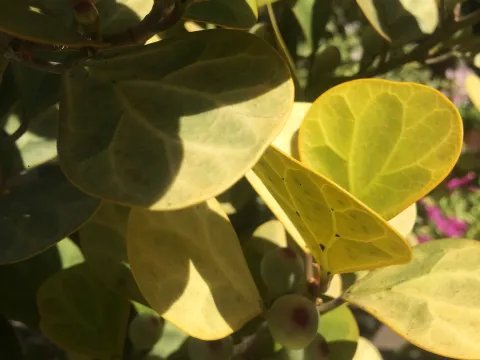
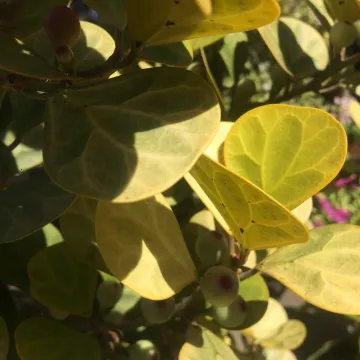
Botanically, the Mistletoe fig is defined by its thick, leathery, deltoid-shaped leaves that feature distinct glandular dots on the undersides. The plant produces small, ornamental syconia (figs) that shift from a yellowish-green hue to a vibrant red upon ripening, adding aesthetic value to the foliage throughout the year.
Agronomic requirements center on maintaining a stable temperature between 20°C and 25°C and ensuring high ambient humidity. It requires a well-draining, nutrient-rich substrate, typically peat-based, to prevent root asphyxiation. Consistent, moderate irrigation and filtered sunlight are crucial for optimal development and foliage coloration.
Beyond its ornamental appeal, Ficus deltoidea has significant traditional medicinal value in its native range. The leaves are frequently utilized in herbal medicine for their purported antioxidant properties and health-promoting effects. Modern research continues to explore the phytochemical profile of this species for potential industrial and pharmaceutical applications.
Common pests and diseases affecting this crop include:
- Spider mites, which thrive in low-humidity indoor environments.
- Scale insects that attach to stems and leaf undersides.
- Root rot caused by poor soil drainage and overwatering.
- Powdery mildew if air circulation is insufficient.
Photo gallery