
Description
Moehringia intermedia is a perennial herbaceous plant belonging to the Caryophyllaceae family. In the context of botanical cultivation and specialized horticulture, it is regarded as a niche species that requires specific environmental conditions to thrive, reflecting its natural habitat of alpine screes and limestone cliffs.
The plant originates from mountainous regions in Europe, where it has evolved to colonize rocky crevices and poor, calcareous soils. Its natural distribution is restricted to areas with high geological permeability, which defines the core requirements for its successful agricultural or horticultural application in managed environments.
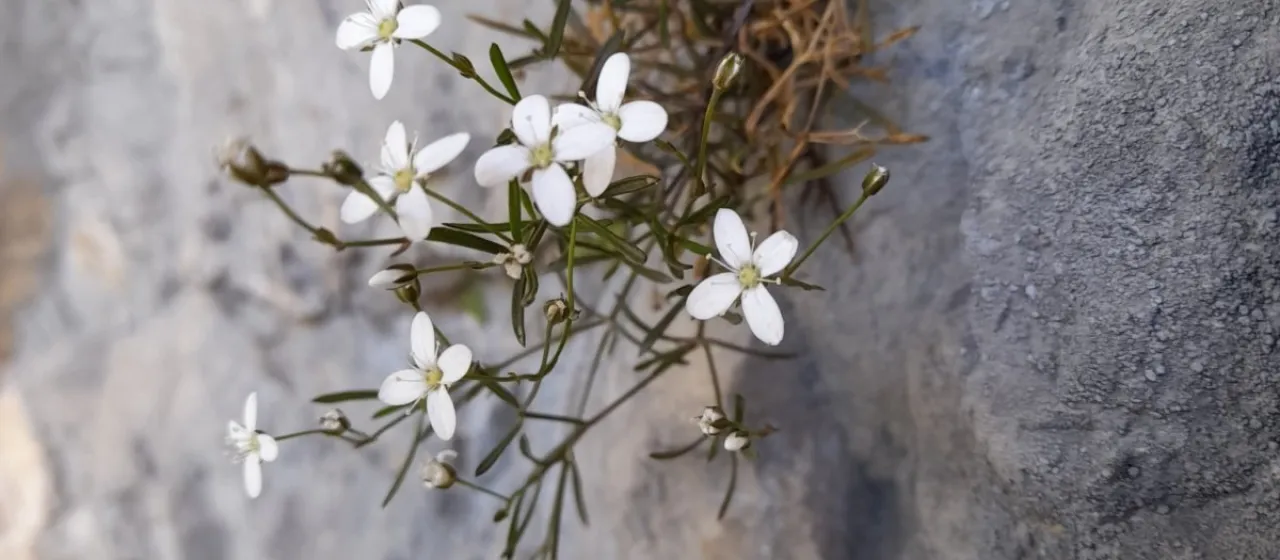
Botanically, this species is defined by its low-growing, mat-forming habit, featuring narrow, opposite leaves and white, delicate flowers. The structure of the plant is adapted to resist mechanical stress from wind and temperature fluctuations typical of high-altitude ecosystems, making it a robust performer under the correct site conditions.
Agronomically, the plant demands excellent drainage as the primary success factor. It thrives in mineral-based, gritty substrates that prevent moisture accumulation near the root crown. A pH level ranging from neutral to slightly alkaline is optimal. In cultivation, protecting the plant from excessive atmospheric moisture and heavy summer heat is paramount to maintaining its vitality.
Best practices for cultivation include:
- Implementing a gravel-based substrate to ensure rapid drainage.
- Providing minimal, controlled irrigation, particularly during the flowering season.
- Regular inspection for competition from weeds, which can quickly overwhelm the small plants.
- Avoiding over-fertilization, as this can lead to weak growth and susceptibility to pathogens.
In terms of economic use, Moehringia intermedia is primarily valued as an ornamental species for rock gardens and specialized alpine collections. Common challenges include fungal root diseases triggered by waterlogging, and potential pest pressure from aphids or mites if the plant is maintained in stagnant, non-ventilated conditions.