
Description
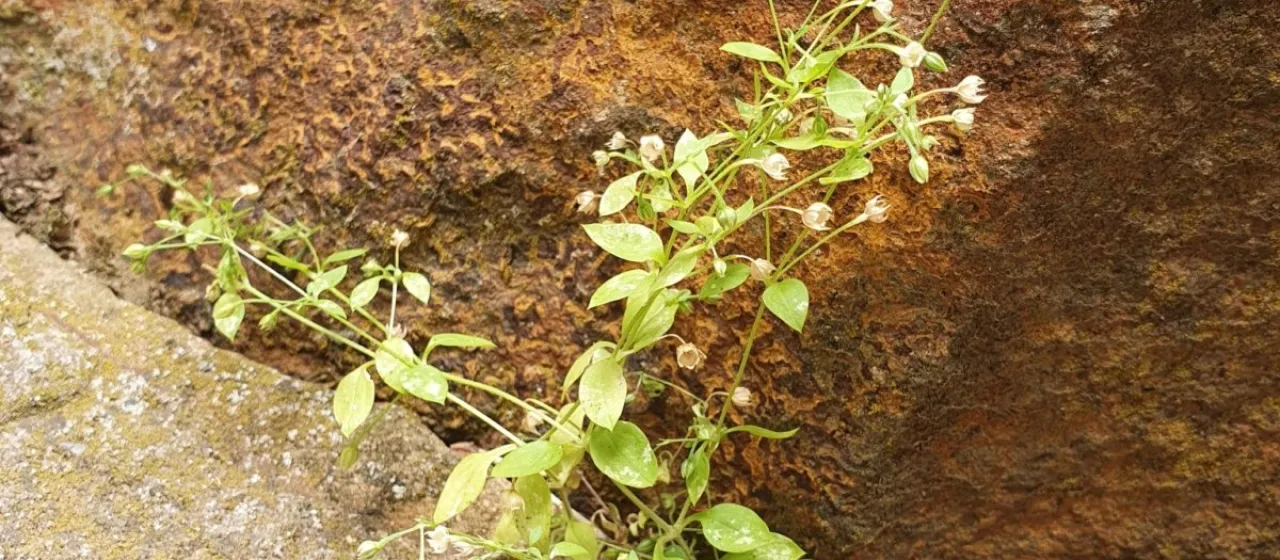
Moehringia pentandra is a herbaceous plant species belonging to the Caryophyllaceae family. As a member of this diverse family, it exhibits distinct morphological adaptations that allow it to thrive in specific environmental niches, often ignored by conventional large-scale agricultural crops.
The plant originates from the Mediterranean basin and parts of Southern Europe. Its natural range is characterized by rocky terrains and limestone substrates. In terms of distribution, it favors open, sunny environments where it can avoid competition with larger and faster-growing vascular plants.
Botanical characteristics of Moehringia pentandra include its delicate stem structure and small, opposite leaves. The name is derived from its reproductive organs, specifically the presence of five stamens, which serve as a critical diagnostic feature for field identification and taxonomic classification within the genus.
Regarding agronomic requirements, the species demands high levels of soil drainage and excellent light penetration. It is ill-suited for traditional nutrient-rich garden soils, as it has evolved to extract resources from mineral-rich but low-organic-matter substrates. Excessive moisture control is the most important factor in its successful management.
While not a traditional food or fiber crop, its role in ecological restoration and rock gardening is significant. It can be utilized in projects aimed at stabilizing rocky slopes or creating specialized habitats that mimic its native Mediterranean range. It is generally hardy, though it may be susceptible to root rot if soil aeration is poor.
- Requires well-drained, porous soils.
- High tolerance for solar irradiance.
- Sensitive to excessive organic fertilizers.
- Susceptible to pathogens in waterlogged conditions.