
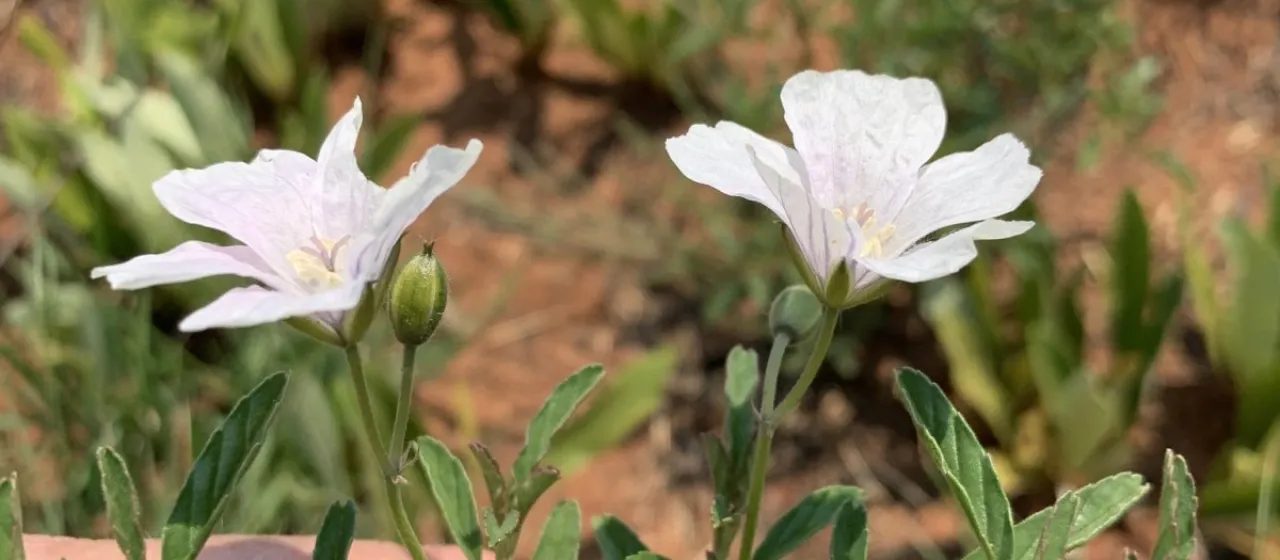
Description
Monsonia burkeana is a perennial herb belonging to the Geraniaceae family, recognized for its remarkable resilience and evolutionary adaptation to arid climates. Unlike many common garden relatives, this species has evolved specialized physiological pathways to survive in environments where water availability is highly inconsistent.
Native to Southern Africa, this species typically thrives in open, rocky grasslands and savannas. Its natural distribution is influenced by high solar radiation levels and low annual rainfall. This geographical origin dictates the fundamental biological requirements for the plant, emphasizing its status as a xerophytic organism.
The botanical architecture of Monsonia burkeana is defined by a deep taproot system and dense foliage covered in trichomes. These hairs serve a dual purpose: reflecting excess sunlight and reducing transpiration rates. The growth pattern is generally prostrate or semi-erect, allowing the plant to retain soil moisture around its base.
Agricultural success with this crop relies on mimicking its native soil and climate conditions. A well-draining, mineral-rich substrate is essential to prevent root rot. Furthermore, the plant demands high levels of natural light throughout the day, as insufficient exposure leads to weakened stems and reduced production of secondary metabolites.
The economic value of this crop is primarily linked to its medicinal properties, often utilized in traditional and modern herbal preparations.
- High tolerance to drought stress.
- Potential for pharmaceutical exploitation.
- Sensitivity to soil waterlogging.
- Specific requirements for sandy, well-draining soils.