
Description
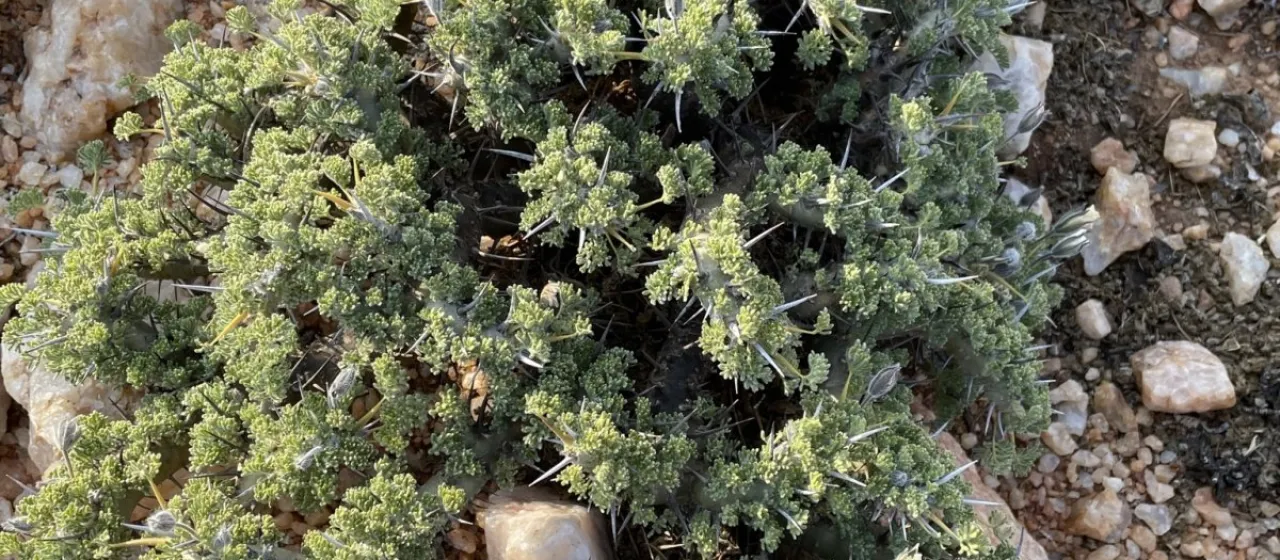
Monsonia herrei is a remarkable species of caudex-forming plant belonging to the Geraniaceae family. Renowned among succulent enthusiasts for its unique, architectural stem and compact growth, this plant is a standout feature in any specialized collection due to its rarity and distinctive appearance.
Originating from the arid regions of Southern Africa, particularly parts of Namibia and South Africa, this species has evolved to thrive in harsh, rocky environments. Its natural habitat is characterized by extreme temperature fluctuations and sporadic rainfall, which has dictated its physiological adaptations for long-term water storage.
Botanically, Monsonia herrei is defined by its thick, woody, and often corky caudex, which serves as a reservoir for nutrients and moisture. The foliage is generally finely textured and pubescent, an adaptation designed to reflect intense solar radiation while minimizing water loss through transpiration. Its reproductive structures produce small, delicate flowers that bloom during the active growing season.
Cultivation requires strict adherence to horticultural standards, emphasizing well-draining, mineral-heavy soil mixes. The plant demands high levels of light to maintain its compact form and prevent etiolation. During the winter dormancy phase, irrigation must be almost entirely withheld to replicate the natural dry conditions of its native landscape and prevent root rot.
In terms of economic and practical use, Monsonia herrei is primarily utilized in the nursery trade for ornamental and scientific research purposes. While not a conventional agricultural crop, it represents a niche market in specialty horticulture. Proper propagation is typically achieved through seeds, which require specific conditions to germinate successfully.
Pest management is focused on preventing infestations of mealybugs and spider mites, which can be particularly damaging to the delicate foliage. Cultural control, including good ventilation and moderate humidity levels, is essential. Root pathogens caused by excessive soil moisture remain the most significant threat to the plant's health and longevity.