
Description
Moricandia moricandioides is a flowering plant species belonging to the Brassicaceae (cabbage) family. While not a conventional staple crop, it serves as an important botanical subject due to its resilience in arid environments and its genetic proximity to economically vital members of the brassica group.
The native range of this species is primarily concentrated in the Mediterranean basin, specifically within the Iberian Peninsula. It has evolved to thrive in harsh, dry climates, often colonizing degraded soils and exposed rocky terrain. Its distribution is a testament to its evolutionary success in navigating water-limited ecosystems.
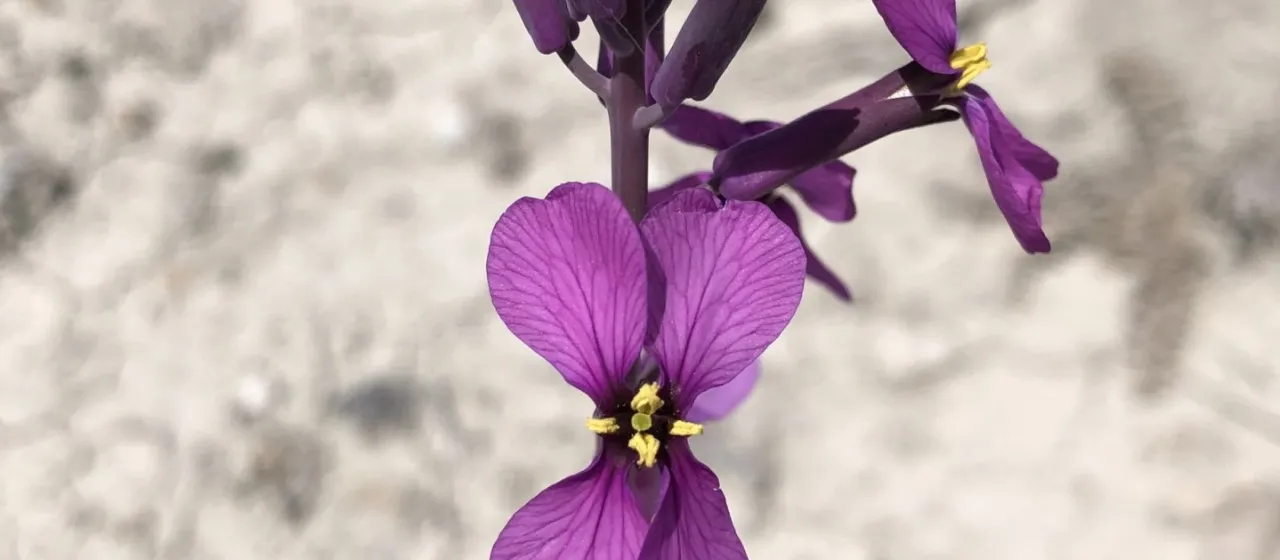
Botanically, it is characterized by its glaucous, waxy leaves which act as a defense against dehydration. The plant displays distinct purple to pinkish flowers typical of the mustard family, arranged in terminal racemes. Its root system is deep-reaching, designed to tap into sub-surface moisture reserves, which is a key trait for survival in its arid habitat.
Agronomic management requires a focus on soil drainage and high light intensity. The crop is remarkably undemanding regarding nutrients but thrives best in alkaline, calcareous soils. Standard agricultural practices for such plants emphasize minimal disturbance and the avoidance of over-irrigation, which can lead to rapid root rot and pathogen colonization.
- Extreme drought adaptation mechanisms
- Tolerance for high soil salinity
- Potential use in soil phytoremediation
- Natural resilience to common pests of crucifers
Regarding its utility, the species is predominantly utilized in plant research as a model for drought tolerance and saline stress response. By studying the specific genetic markers in Moricandia moricandioides, scientists aim to transfer these resilient traits into food-grade brassica cultivars, ensuring better crop performance in the face of global climate change.