
Description
White Neltuma (botanical name: Neltuma alba), formerly classified under the Prosopis genus, is a significant woody legume species of the family Fabaceae. Renowned for its resilience, it serves as a cornerstone crop in dryland agricultural systems, providing essential resources in environments where other crops fail to thrive.
Originating in the Gran Chaco region of South America, this tree has established itself as an essential plant in arid and semi-arid climates globally. Its historical distribution is linked to the dry, subtropical landscapes of the Southern Hemisphere, where it has been utilized for centuries by local populations for its pods and durable timber.
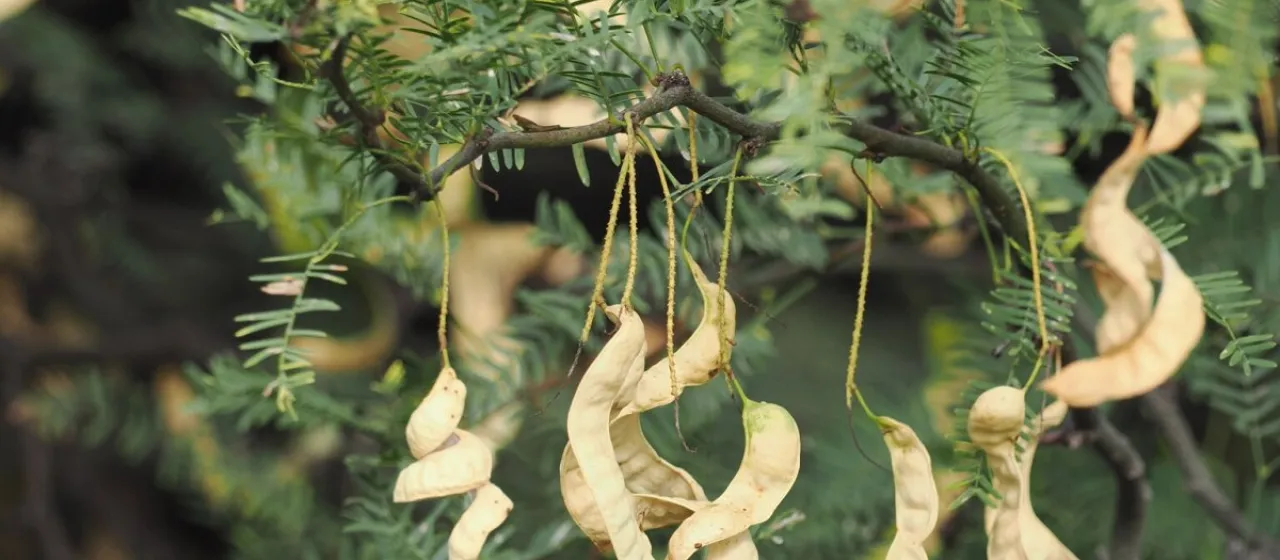
Botanically, Neltuma alba is characterized by a wide, spreading canopy and a remarkably deep taproot system, which allows it to tap into groundwater reserves during intense droughts. The leaves are pinnate, and the tree produces characteristic legume pods rich in carbohydrates, proteins, and essential minerals, making it a valuable feed source.
Regarding cultivation requirements, the tree is highly tolerant of poor, sandy, and saline soils, making it an excellent candidate for land reclamation. It thrives in full sunlight and requires minimal irrigation once established. Management practices mainly involve early-stage protection from livestock grazing and selecting sites with good drainage to prevent waterlogging.
The primary agricultural applications of the species are as follows:
- Utilizing nutritious seed pods as a high-protein supplement for livestock feed.
- Harvesting high-density timber for use in construction, furniture, and flooring.
- Implementing agroforestry practices to create windbreaks and mitigate soil erosion.
- Supporting apiculture through its nectar-rich blossoms during the flowering season.
Common pests include seed-boring bruchid beetles that can impact pod production, requiring integrated pest management strategies. Diseases are relatively rare but can occur under conditions of excessive humidity, leading to fungal infections in the root zone. Proper site selection and avoiding water-logged areas are essential for maintaining healthy plantation stands.