
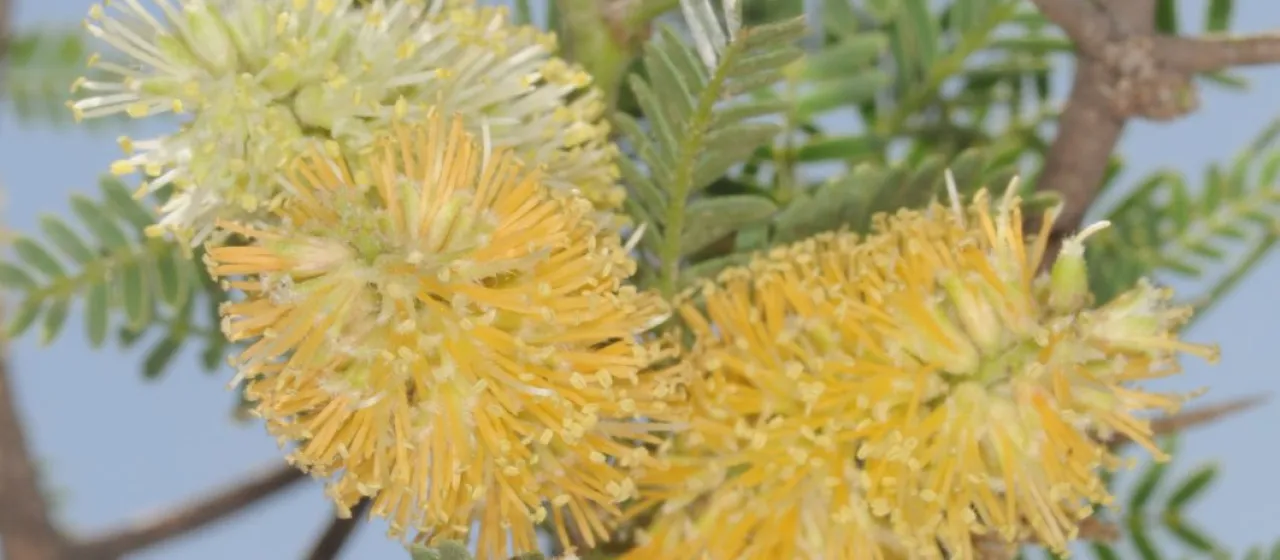
Description
Neltuma campestris is a woody perennial species belonging to the Fabaceae (legume) family. Formerly classified within the genus Prosopis, this plant has gained attention for its exceptional resilience in harsh, arid environments, making it a critical species for agricultural research in regions prone to desertification.
The plant is native to South America, specifically inhabiting the dry regions of Argentina. It has evolved to thrive in environments characterized by high solar radiation, low rainfall, and poor soil nutrient content. Its historical distribution is a testament to its evolutionary success in conquering dryland ecosystems.
Botanically, it presents as a shrub or small tree with a deep, expansive root system designed for water acquisition. The foliage is bipinnate and small, an adaptation to minimize transpiration rates during intense heat. The fruit is a pod, typical of the legume family, which serves as a highly nutritious component of the diet for local livestock.
Regarding cultivation requirements, Neltuma campestris prefers well-drained sandy or loamy soils and is notably tolerant of soil salinity. Agronomic management focuses on successful establishment during the seedling phase, as the plant becomes remarkably self-sufficient once established. Full sun exposure is essential for maintaining growth, vigor, and reproductive capacity.
The species serves multiple agricultural functions, including rangeland restoration, fodder production, and erosion control. While generally robust, the plant is susceptible to certain fungal pathogens when exposed to waterlogging and may be affected by seed-boring insects.
- Disease management: avoid over-irrigation.
- Pest control: monitor for pod-feeding larvae.
- Soil care: maintain pH stability.