
Description
Neptunia plena, commonly known as the water mimosa or aquatic sensitive plant, is a perennial or annual herbaceous species belonging to the Fabaceae family. It is a distinctive aquatic plant known for its sensitive leaves and its ability to float, making it a unique botanical specimen among terrestrial-origin legumes.
Native to tropical regions of the Americas, this species has naturalized in various tropical and subtropical zones globally. It typically thrives in freshwater wetlands, swamps, and along the margins of rivers and ponds, where it forms dense mats on the water surface or mudflats.
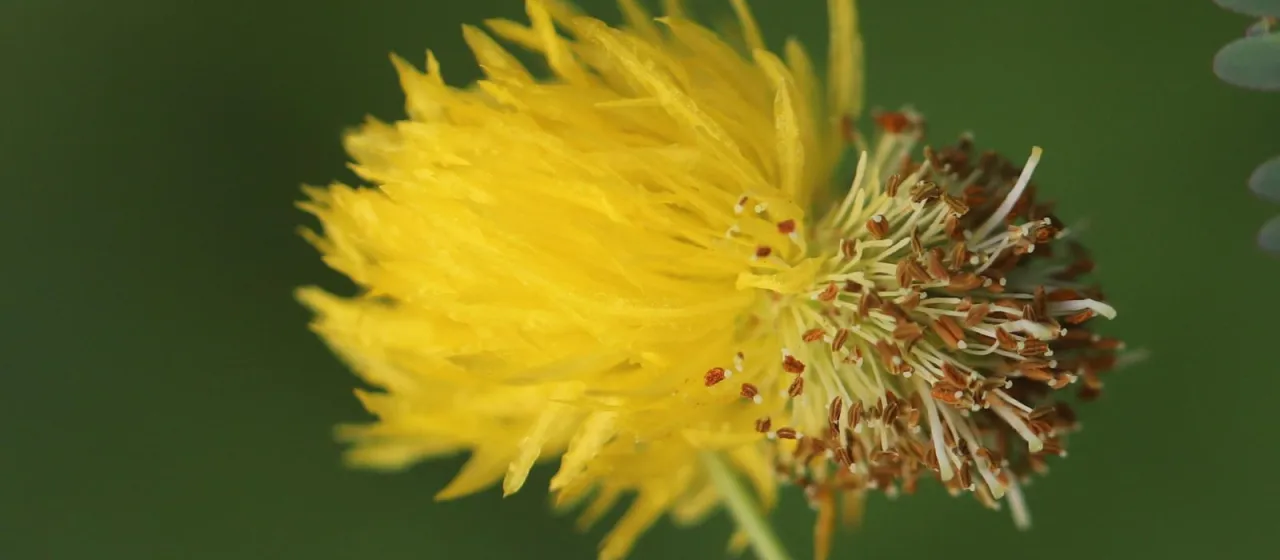
The botanical structure of Neptunia plena is characterized by feathery, bipinnate foliage and bright yellow, pom-pom-like flower heads. The most remarkable feature is the thick, spongy aerenchyma tissue that develops along the stems, which provides the necessary buoyancy for the plant to float in deeper water environments.
In terms of cultivation, it requires a warm, frost-free climate with plenty of sunlight. It is highly adaptable to wet soils and can even grow hydroponically. Agricultural management focuses on maintaining appropriate water levels to prevent the plant from drying out, while ensuring adequate nutrient availability in the substrate.
The main uses include its role as an ornamental plant in water gardens and an interesting subject for educational or biological research. Furthermore, due to its symbiotic relationship with nitrogen-fixing bacteria, it can contribute to the nitrogen enrichment of the aquatic ecosystems where it is grown.
Common pests include aphids and spider mites, which can cause significant foliage damage if left unchecked. Diseases are generally infrequent but may include fungal leaf spots under stagnant or overly humid conditions, which are mitigated by improving water quality and circulation.