
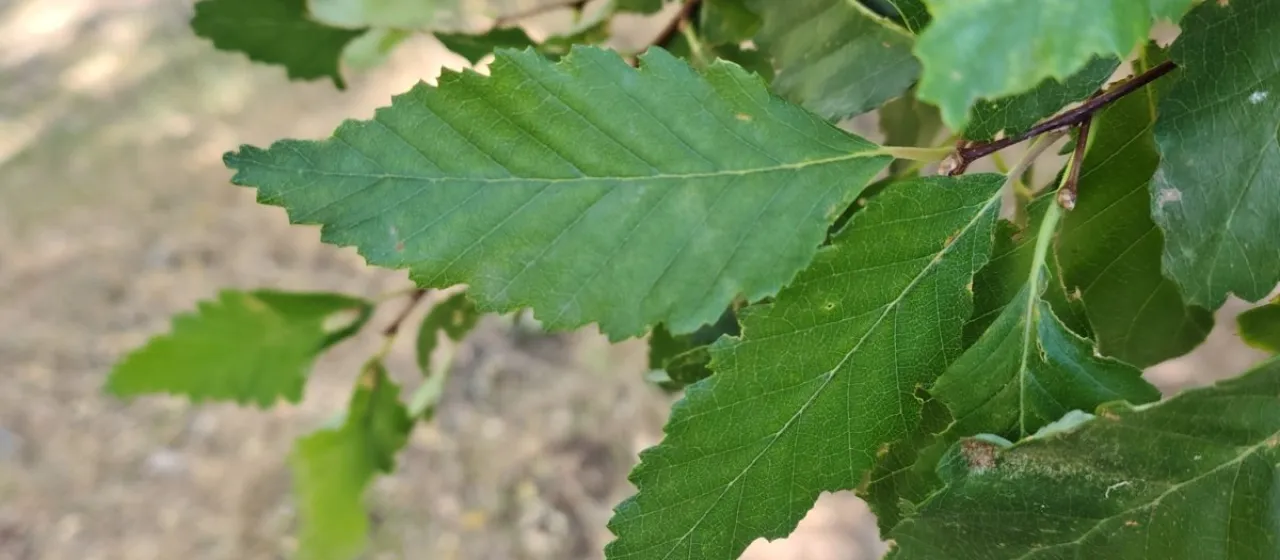
Description
The Patagonian beech (Nothofagus obliqua) is a deciduous tree species belonging to the Nothofagaceae family. It is recognized globally as an important forestry crop, particularly valued for its rapid growth rate and the high commercial quality of its timber in temperate regions.
The species is native to the temperate rainforests of Chile and Argentina. Due to its adaptability, it has been introduced for commercial cultivation in several other regions, including parts of Europe and New Zealand, where it thrives in oceanic climates characterized by mild winters and consistent moisture.
Botanically, Nothofagus obliqua is characterized by its distinctive obliquely-based leaves and a straight, clear trunk when grown in dense forest stands. It can reach considerable heights and diameters, making it an excellent candidate for sustainable timber production programs that prioritize fast turnover times.
Successful cultivation requires deep, fertile, and well-drained soils. The plant is sensitive to severe drought and prolonged frost. Agronomic practices include careful site selection, initial protection from competing vegetation, and thinning operations to maximize the growth of individual trees in a plantation setting.
The timber of the Patagonian beech is highly sought after for furniture manufacturing, interior joinery, and flooring due to its stability and attractive grain. Common concerns include susceptibility to specific fungal pathogens that affect trunks in waterlogged conditions and occasional damage by forest insects, which necessitates integrated pest management in large-scale operations.