
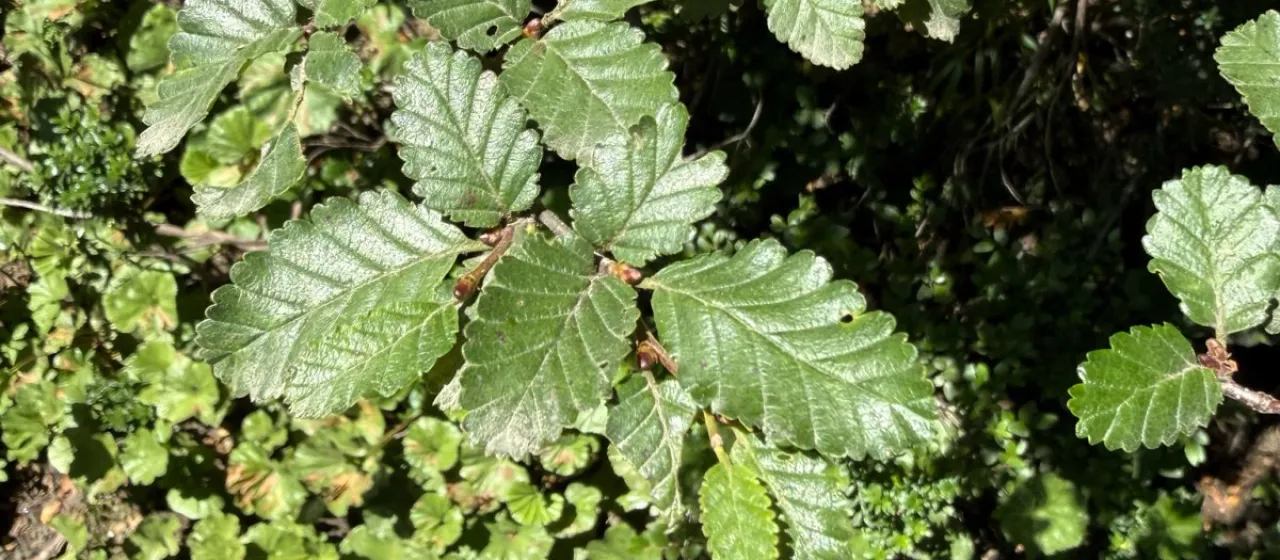
Description
Nothofagus pumilio, commonly known as Lenga, is a significant species belonging to the Nothofagaceae family. This deciduous tree is a cornerstone of the southern Patagonian forests, where it thrives in alpine environments at high altitudes.
Originating from the cold regions of Chile and Argentina, this tree has adapted to withstand harsh weather conditions, including strong winds and severe freezing temperatures. Its natural habitat includes mountainous regions where other tree species struggle to survive due to poor soil and extreme climates.
Botanically, Nothofagus pumilio is characterized by its dense wood structure and small, serrated leaves that turn vibrant colors in autumn. Depending on the local altitude, the tree exhibits phenotypic plasticity, ranging from majestic tall specimens in valleys to stunted, shrub-like forms at the treeline.
Cultivation requires specific environmental conditions, primarily cool summers and well-drained, acidic soil. Agronomic management involves protecting young saplings from extreme drought and ensuring adequate moisture levels during the first few years of establishment, as the species is sensitive to water stress.
In terms of economic value, the wood of Nothofagus pumilio is highly regarded for its durability and aesthetic quality, making it popular for high-end furniture manufacturing. Furthermore, the species is essential for reforestation programs aimed at soil stabilization and ecosystem restoration in the Southern Hemisphere.
- Excellent cold hardiness and wind tolerance.
- Preference for temperate, humid climates.
- Requires well-drained, slightly acidic soil.
- Slow growth rate typical of alpine tree species.
- Provides significant ecological benefits in mountain regions.