
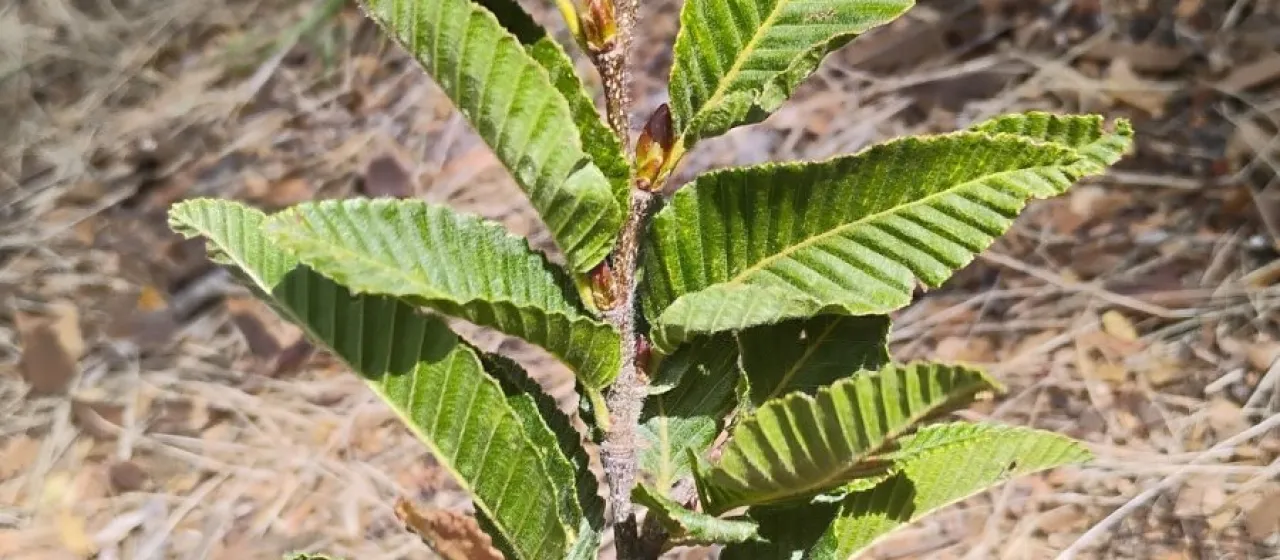
Description
Rauli beech, scientifically known as Nothofagus procera, is a significant timber-producing tree species within the Nothofagaceae family. Native to the temperate rainforests of Chile and Argentina, it has gained international recognition in forestry due to its impressive growth rate and the superior quality of its wood.
The tree thrives in oceanic climates characterized by mild winters and consistent moisture throughout the year. It prefers locations where it is protected from severe temperature fluctuations and extreme frost, which makes it suitable for cultivation in specific temperate regions where these stable conditions can be maintained.
Botanically, the species is defined by its deciduous nature, featuring elegant, serrated, oblong leaves that turn vibrant shades of yellow and orange in the autumn. As a fast-growing species, it can reach substantial heights, forming a tall, straight trunk that is highly prized by foresters for its structural integrity and clear bole.
Successful cultivation requires deep, fertile, and well-draining soils with a slightly acidic pH. The tree is intolerant of waterlogging and requires a consistent supply of water during the growing season. Early management includes weeding and protecting young saplings from browsing animals, which are the primary threats to plantation establishment.
The wood of the Rauli beech is durable, easy to work with, and possesses a fine texture, making it an excellent choice for high-end cabinetry, furniture, and interior flooring. Beyond its industrial utility, the tree serves as an important component in biodiversity-friendly forestry, providing habitats for various avian species.
- Fast growth rate compared to other deciduous hardwoods.
- Excellent wood quality for high-value applications.
- Requirement for consistent soil moisture levels.
- Susceptibility to spring frost damage in young trees.