
Description
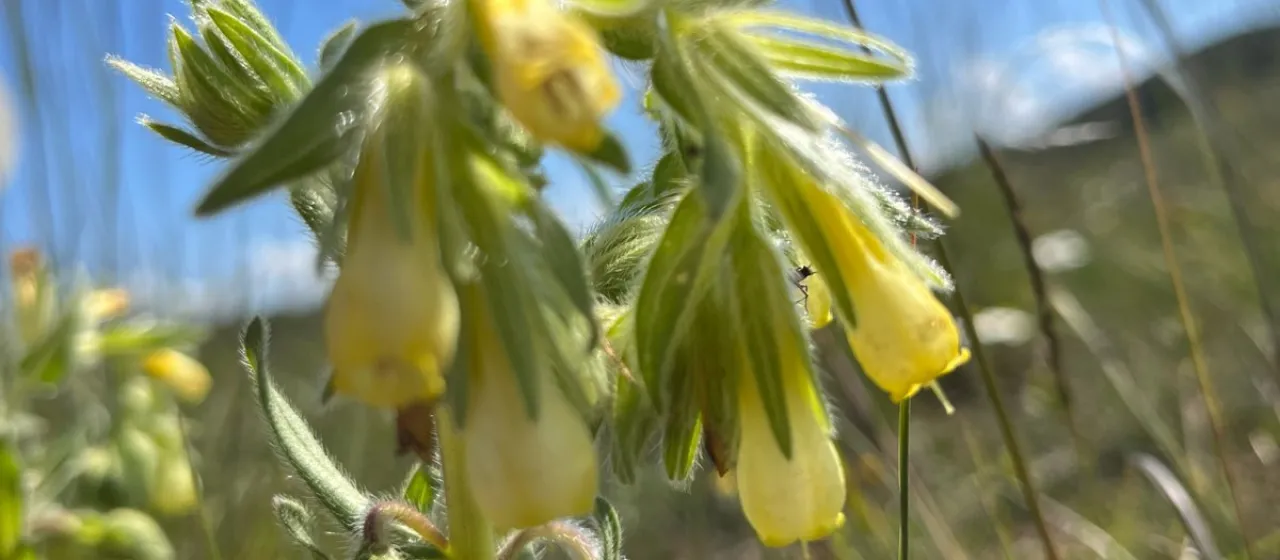
Onosma fastigiata is a perennial herbaceous plant belonging to the Boraginaceae family. It is a compact, drought-resistant species characterized by stiff hairs covering its foliage and stems, an evolutionary adaptation to arid environments. This plant is highly prized in horticulture for its resilience and unique textural appearance, making it a staple for specialists in alpine gardening.
The native range of this species covers the mountainous regions of Central Asia. It thrives in high-altitude habitats, specifically on stony slopes and rocky crevices. Its distribution reflects its preference for harsh, well-drained environments where competition from larger, moisture-demanding plants is minimal, allowing it to dominate the micro-ecosystems of rocky outcrops.
Botanically, the plant features densely arranged leaves and tubular, bell-shaped flowers typically displaying shades of yellow. The foliage often presents a grayish-green hue due to dense pubescence, which serves as a protective layer against intense UV radiation and wind desiccation. Its root system is deep and penetrating, adapted to anchoring the plant in poor, gravelly soils.
Cultivation requirements for this species are specific and must be strictly adhered to for successful growth:
- Excellent soil drainage is mandatory to prevent root rot.
- Requires full sun exposure throughout the day for optimal flowering.
- Prefers nutrient-poor, gritty, or alkaline soil substrates.
- Extremely low irrigation requirements, especially during the dormant season.
The primary use of Onosma fastigiata is ornamental, serving as a focal point in rock gardens, scree beds, and xeriscapes. It is an excellent choice for gardens with low water availability. Regarding plant health, the species is generally robust but susceptible to fungal pathogens if exposed to excessive soil moisture or poor airflow. Monitoring for common sap-sucking insects is advised, although they rarely cause significant economic damage in a well-maintained outdoor setting.