
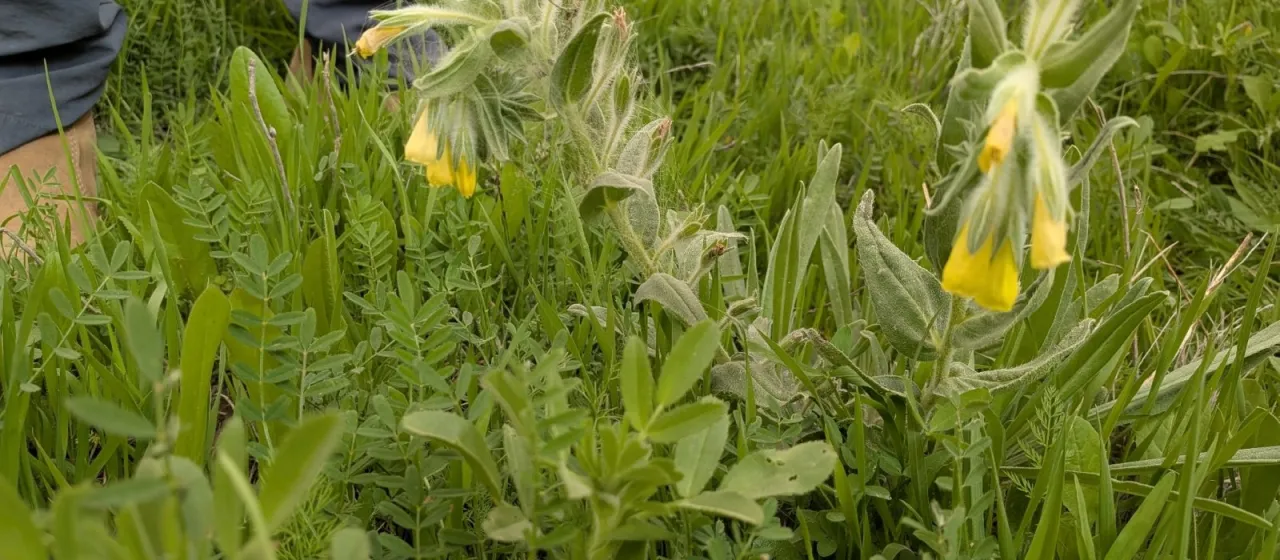
Description
Onosma gigantea is a perennial herbaceous plant belonging to the Boraginaceae family. Known for its significant size compared to other members of the genus, it serves as a fascinating subject for both research and specialized horticulture. The plant is characterized by its resilience and adaptation to harsh environments, making it a valuable addition to dryland gardening and biodiversity conservation projects.
Originating from the rocky terrains and steppes of the Caucasus and Western Asia, this species thrives in climates with high solar radiation and low precipitation. Its native range dictates its cultivation requirements, as it is strictly adapted to well-drained, porous soils. When cultivated, it requires sites that mimic its natural habitat, emphasizing the need for excellent drainage to prevent root damage.
Botanically, Onosma gigantea exhibits a distinct appearance. It has a robust taproot system that supports a vertical growth habit, with stiff, hairy stems and lanceolate foliage. The flowers are typically tubular or bell-shaped, arranged in characteristic coiled cymes. These structures are not only visually appealing but also play a critical role in attracting various insect pollinators, contributing to the local ecosystem's health.
Agricultural requirements focus on site selection and minimal disturbance. The plant prefers poor to moderately fertile, alkaline soils with high gravel or sand content. Maintenance involves controlling competitive weed growth, especially during the seedling stage. Irrigation must be managed with caution; once established, the plant is highly drought-tolerant, and supplemental water is usually only needed during extreme heatwaves to prevent physiological stress.
The хозяйственное (economic) potential of Onosma gigantea includes:
- Application in rock gardens and xeriscaping projects.
- Support for pollinator diversity as an early-season nectar source.
- Potential research in ethnobotany and pharmacological studies of secondary metabolites.
Common health issues for the plant include root rot caused by poor soil drainage and powdery mildew, which can occur if the foliage is not allowed to dry out properly after rains. Monitoring for typical garden pests like aphids is recommended, though the plant's natural pubescence provides a degree of resistance against many common insect threats.