
Description
Onosma heterophylla is a perennial herbaceous species belonging to the Boraginaceae family. Known for its resilience in challenging habitats, this plant is a notable representative of the specialized mountain flora found in the Eurasian region.
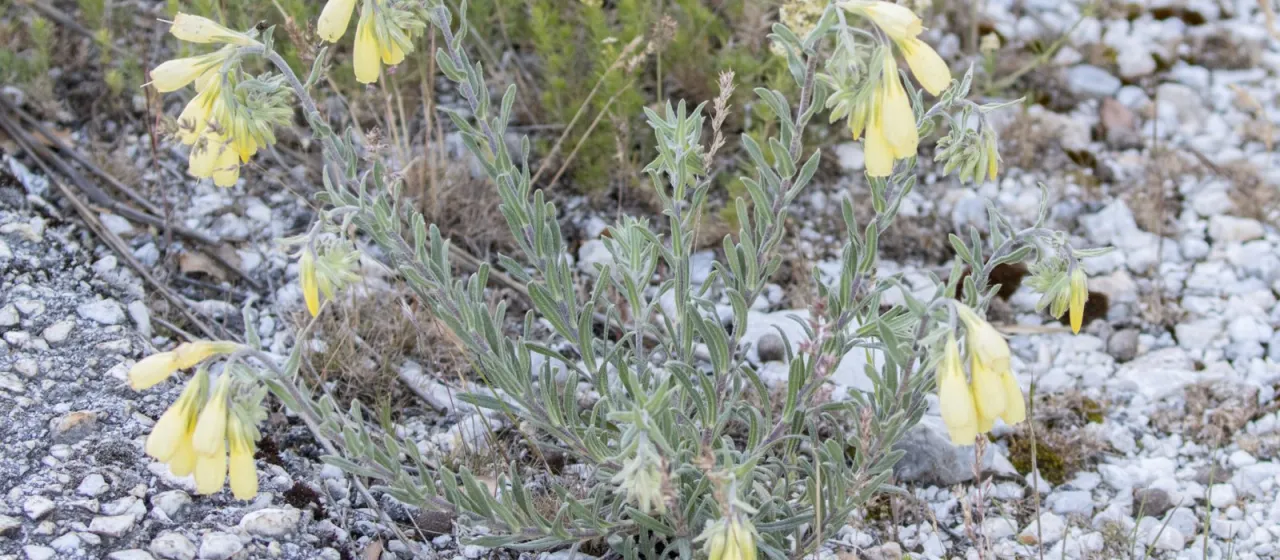
The plant's natural range is primarily concentrated in the Caucasus region. It thrives in open, sun-drenched environments where the soil is naturally composed of rocky or gravelly textures. This specific ecological niche dictates its growth patterns, making it highly dependent on high soil permeability and full exposure to natural light.
Botanically, the species is distinguished by its dense trichomes (hairs) covering the stems and foliage, an adaptation that effectively reduces transpiration. The leaves often exhibit morphological variation, which gives the plant its scientific name. It typically produces attractive, pendulous, tubular flowers that are highly effective at attracting pollinators in the sparse high-altitude landscape.
Agricultural and gardening requirements focus heavily on soil drainage. To grow Onosma heterophylla successfully, one must avoid heavy, clay-based soils that retain excessive moisture. The ideal substrate is a well-draining mineral mix. It is a drought-tolerant crop that requires very little maintenance, including minimal watering and an absence of heavy fertilization once established.
In terms of practical usage, this plant is primarily valued for its ornamental potential in rock gardens and arid-landscape designs. Regarding plant health, the main threats include fungal diseases caused by standing water or excessive humidity around the root crown. Maintaining a dry, well-ventilated environment is the most effective strategy for preventing both pest infestations and pathogenic attacks.