
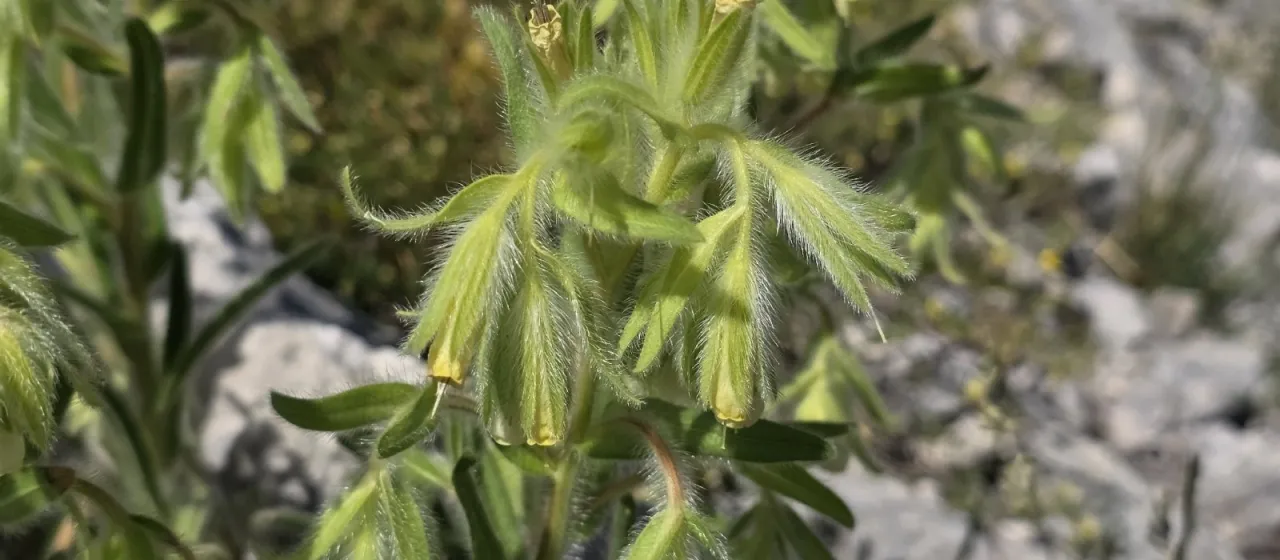
Description
Onosma rhodopea is a perennial herbaceous plant belonging to the Boraginaceae family. Known for its distinct morphological adaptations, this species is native to the rugged terrains of the Balkan Peninsula. It is highly valued in botanical and horticultural circles for its remarkable resilience and ability to thrive in challenging alpine or rocky environments.
The natural range of the species is primarily centered in the Rhodope Mountains. It predominantly occupies limestone cliffs and stony slopes where soil development is minimal. This evolutionary background makes the plant exceptionally well-suited for xeriscaping and sustainable landscaping, where irrigation resources are limited and environmental conditions are harsh.
The botanical structure of Onosma rhodopea is defined by its dense, bristly foliage, which provides a protective barrier against extreme temperatures and moisture loss. The inflorescences are composed of vibrant, tubular flowers that attract various pollinators. A deep-reaching taproot system allows the plant to stabilize itself in rocky crevices and access mineral-rich water deep underground.
Agronomic requirements are focused on mimicking the natural habitat to ensure plant longevity. High drainage capacity is non-negotiable; heavy or water-retentive soils will inevitably lead to physiological stress and root rot. The pH levels should ideally be neutral to slightly alkaline. Fertilizer usage should be kept to a bare minimum, as the plant is adapted to nutrient-poor soils and over-fertilization can result in weak, succulent growth susceptible to pathogens.
The primary use of Onosma rhodopea is in rock gardens and wall plantings where it provides structural and aesthetic value. Common threats include:
- Powdery mildew in stagnant air environments
- Root rot caused by waterlogged soil
- Aphid infestations during hot, dry spells