
Description
Dyer's alkanet (Onosma tinctoria) is a perennial herbaceous plant belonging to the Boraginaceae family. Within the agricultural sector, this species is recognized as a specialized technical crop, valued for its historical and industrial role as a source of natural pigment production.
The plant is native to the Mediterranean region and parts of Southeast Europe. Its natural range consists primarily of dry, rocky hillsides and limestone outcrops. Over time, the crop has demonstrated significant resilience, allowing it to colonize challenging environments where moisture availability is periodically restricted.
Botanically, it features a characteristic dense pubescence on its leaves and stems, which functions as a biological adaptation to minimize transpiration. The plant produces yellowish, tubular flowers arranged in scorpioid cymes. Its root system is exceptionally robust, reaching deep into the soil profile to access mineral resources, which is vital for its survival in arid conditions.
Agricultural success depends on providing a well-drained substrate, ideally with a high lime content. Onosma tinctoria is intolerant of waterlogged soil, making site selection critical for preventing root suffocation. The crop requires very little irrigation once established, but it does demand high levels of solar radiation and space between plants to ensure proper air circulation.
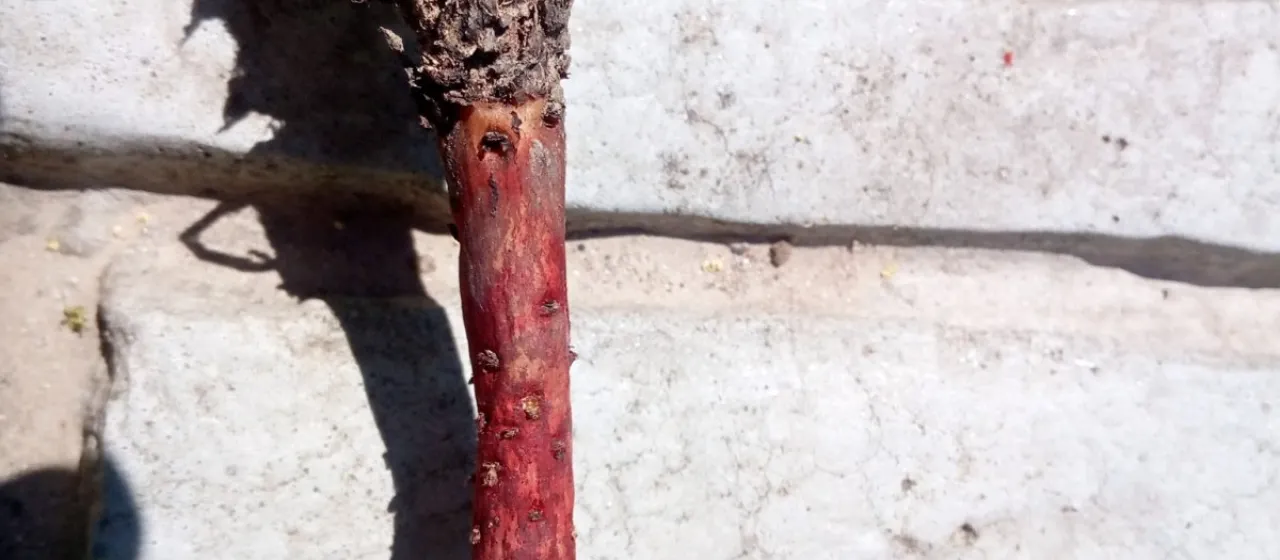
The primary economic value lies in the extraction of alkannin, a natural red pigment derived from the roots used in food, textile, and cosmetic industries. Furthermore, the crop serves as a significant nectar source for local pollinators. Regarding pathology, the crop is generally hardy, although it remains susceptible to root pathogens in high-humidity conditions and may occasionally suffer damage from various coleopteran pests.