
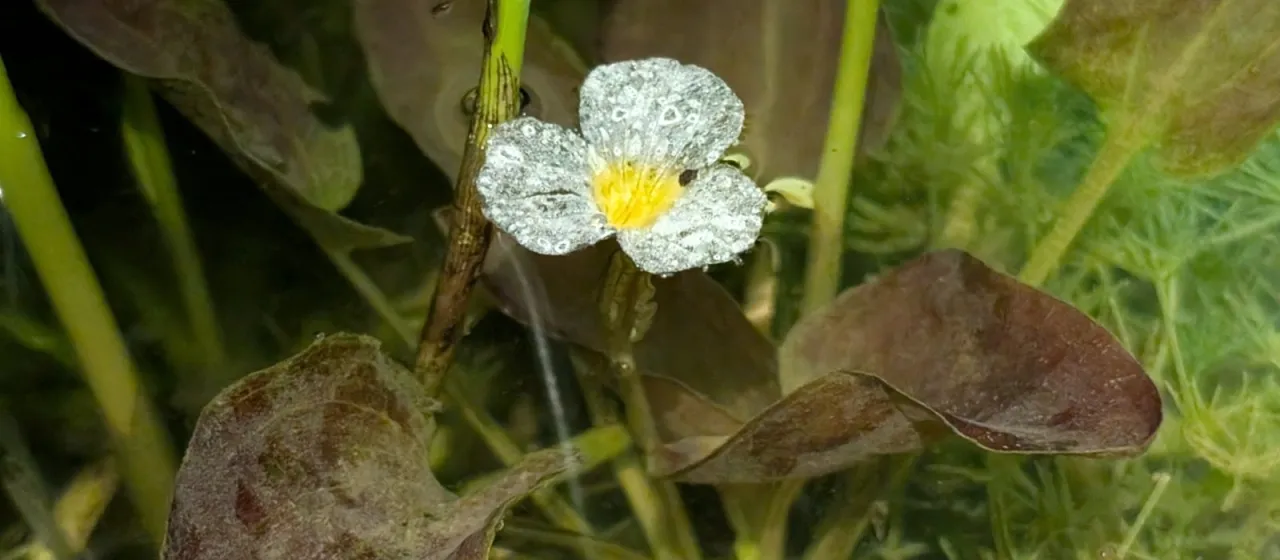
Description
Duck lettuce (Latin: Ottelia alismoides) is an aquatic herbaceous plant belonging to the Hydrocharitaceae family. It is recognized as a significant aquaculture species, valued both for its aesthetic appeal in water gardening and its nutritional properties in various regional cuisines.
The plant originates from tropical and subtropical regions across Asia, Africa, and Australia. It typically thrives in stagnant or slow-moving water bodies, such as ponds, ditches, and flooded rice fields, where it can easily root into nutrient-rich silty or clay substrates.
Botanically, it is characterized by its submerged rosette of leaves and striking solitary flowers that emerge above the water surface. The morphology of the leaves is highly plastic, changing shape based on the depth of the water and the environmental stressors present in its habitat.
Successful cultivation requires warm water temperatures between 22°C and 28°C and high-intensity sunlight. Proper management includes maintaining a nutrient-rich substrate, as the plant acts as a heavy feeder in aquatic systems. Regular monitoring of water quality parameters, particularly pH and dissolved minerals, is essential for optimal growth.
Major practical applications for this crop include:
- Culinary use: Leaves and stems are consumed as vegetables in Southeast Asian traditional diets.
- Aquascaping: Used in aquarium setups to provide structural depth and oxygenation.
- Water purification: Utilized in natural filters to absorb excess nutrients from agricultural runoff.
In terms of plant health, duck lettuce can be susceptible to snail infestation and various fungal pathogens if water circulation is insufficient. Effective integrated pest management focuses on biological controls and maintaining clear, moving water to prevent the establishment of detrimental microorganisms.