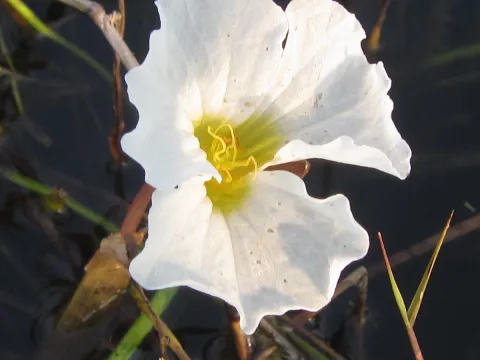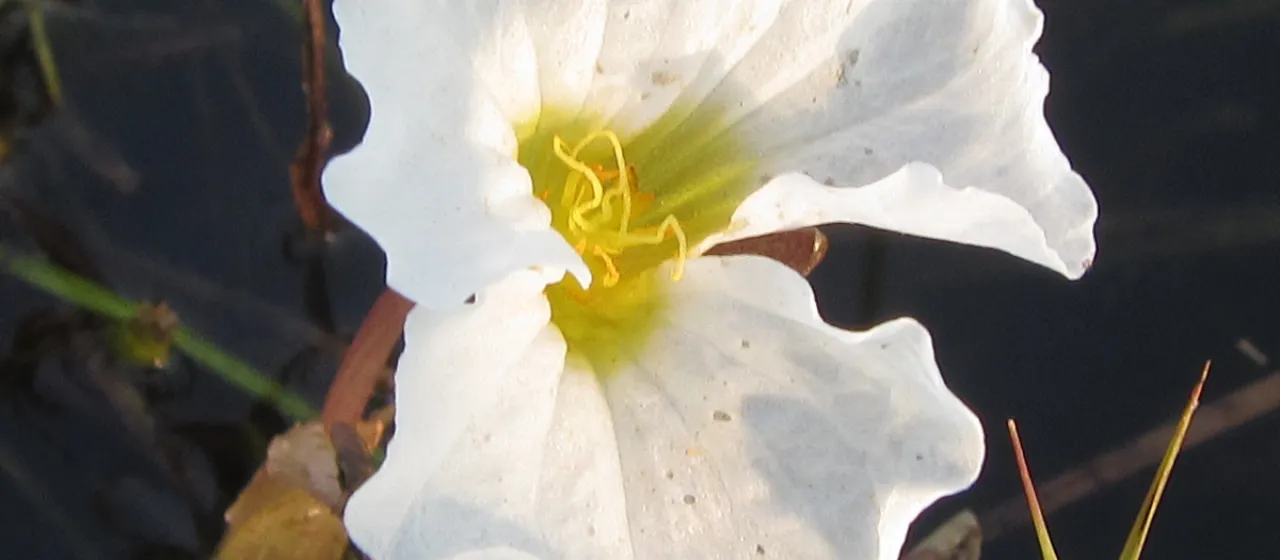
Description
Ottelia kunenensis is an aquatic plant species belonging to the Hydrocharitaceae family. This rare hydrophyte is native to specific freshwater habitats in southwestern Africa, where it plays a vital role in the local aquatic ecosystem by providing oxygen and refuge for aquatic microfauna.
The geographic distribution of this species is primarily centered around the Kunene River basin, which spans across Angola and Namibia. It thrives in tropical environments, requiring consistent environmental conditions to maintain healthy growth cycles and successful reproduction within its natural range.
Botanically, the plant features a rosette of elongated, ribbon-like submerged leaves emerging from a compact central base. Its root system is specifically adapted to anchor in sandy or silty substrates found at the bottom of river beds or slow-moving channels, allowing the plant to resist the flow of water while absorbing nutrients directly from the soil and water column.
Cultivation requirements are strict due to the plant's tropical origin. Successful maintenance demands high-intensity lighting and a steady water temperature between 22°C and 28°C. Water chemistry is equally critical:
- Low nitrate levels
- Controlled phosphate concentrations
- Optimal pH between 6.5 and 7.5
In terms of economic and practical use, Ottelia kunenensis is highly valued among aquatic botanists and hobbyists for its unique morphological features. While it is not a large-scale agricultural crop, its preservation in botanical gardens and controlled nurseries is essential for conservation efforts. Pests typically include various species of aquatic snails and, in cases of poor water quality, cyanobacterial outbreaks that can smother the foliage.
Photo gallery