Description
Ottelia ovalifolia is a perennial aquatic plant belonging to the Hydrocharitaceae family. It is recognized in agricultural and environmental circles for its role in maintaining water quality and its high aesthetic value in managed aquatic systems and specialized nurseries.
The plant is native to Australia, where it naturally inhabits various freshwater environments such as slow-moving rivers, swamps, and ephemeral wetlands. Its distribution demonstrates a high level of ecological plasticity, allowing it to thrive in diverse geographical zones provided the water temperature remains within an optimal growing range.
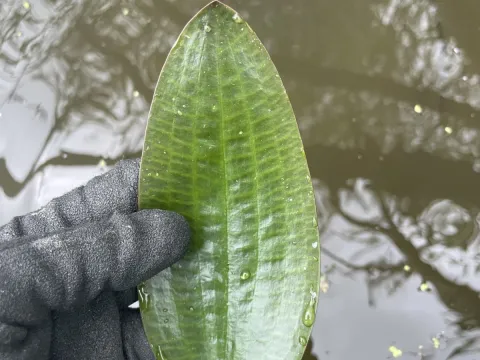
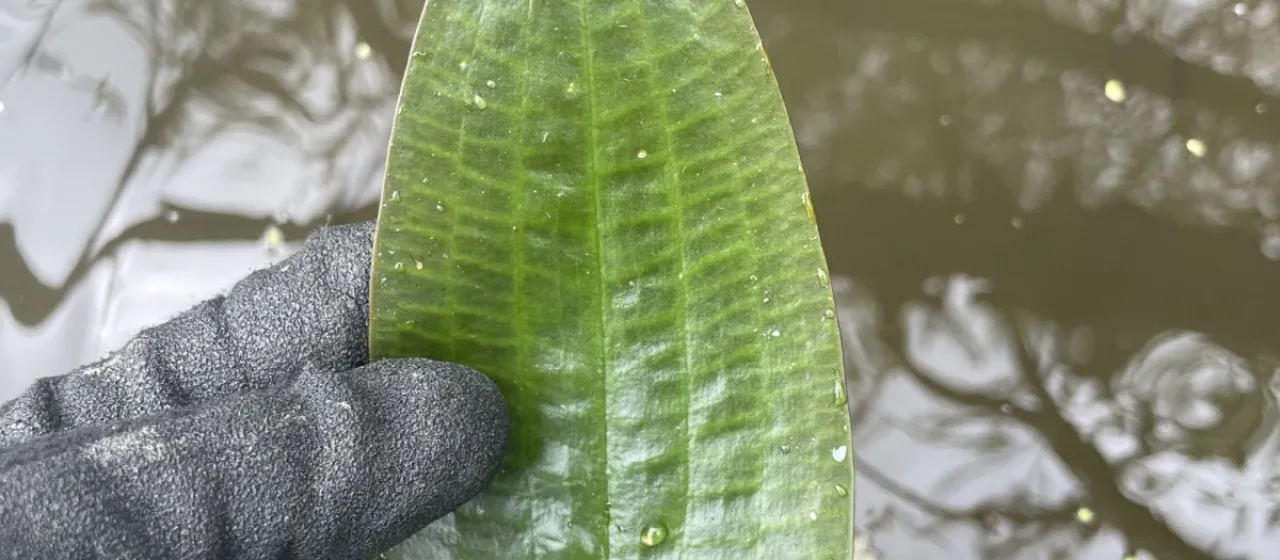
Botanically, it is characterized by a submerged rosette of oval-shaped leaves and long petioles. The plant produces distinct, often showy flowers that emerge above the water surface during the flowering season. Its root system is well-developed, anchoring the plant securely into the substrate, which is crucial for stability in fluctuating water levels.
Optimal cultivation requires a nutrient-rich benthic substrate and clear, well-lit water conditions. In terms of agronomy, maintaining a temperature range between 20°C and 28°C is essential for vigorous growth. The cultivation process involves managing water chemistry to prevent nutrient overloading, which could otherwise lead to competition from invasive aquatic algae.
The primary хозяйственное (economic) uses include its application in pond landscaping, biological filtration systems, and as an essential component in aquascaping projects. While relatively robust, the plant can be susceptible to common aquatic pests, such as snails or aphids, and various fungal pathogens if the water quality deteriorates, making regular monitoring a standard practice for successful crop management.
Photo gallery