Description
Jicama (Pachyrhizus erosus), also known as the Mexican yam bean, is a significant tuberous crop belonging to the Fabaceae family. It is a perennial herbaceous vine cultivated primarily for its large, succulent, and edible root tuber, which is prized for its refreshing and crunchy texture.
The species is native to Mexico and Central America, where it has been cultivated for centuries. Its cultivation has expanded to many tropical and subtropical regions across Asia and Africa. Due to its tropical origins, the plant requires a long growing season with high temperatures and ample sunlight, making it highly susceptible to cold stress and frost damage.
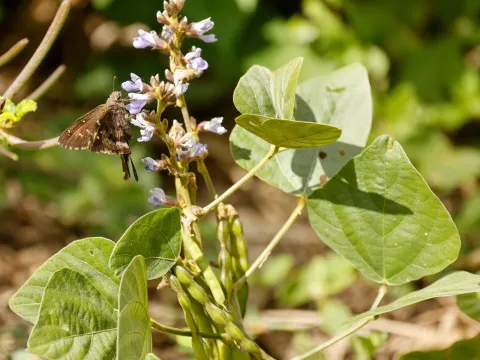
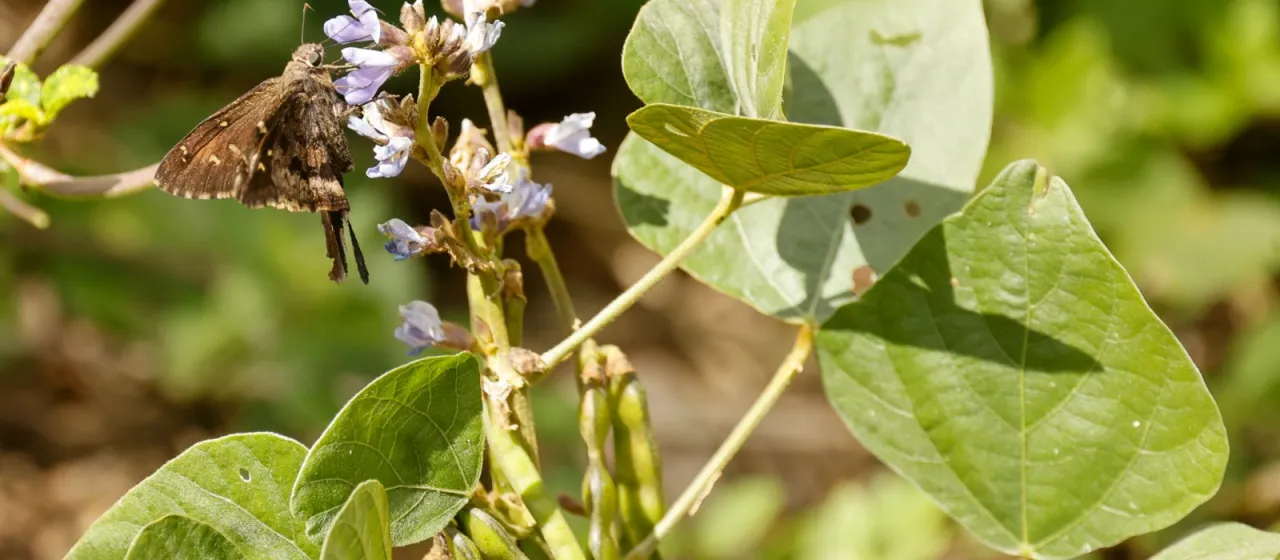
Botanically, the plant develops a sprawling vine that can reach lengths of 4 to 5 meters. The leaves are trifoliate, and the flowers are typically blue or white, arranged in racemes. The edible part is the fleshy taproot, which can grow quite large. Unlike many other legumes, the value of this crop lies entirely in the root, while the rest of the plant remains inedible for humans and livestock due to the presence of rotenone.
Successful cultivation requires well-drained, sandy loam soils with a pH ranging from 6.0 to 7.5. Growers must prioritize weed control during the early stages of establishment. A critical agronomical practice is the removal of flowers and pods; by preventing the plant from setting seeds, energy is redirected toward the development and expansion of the tuberous root, significantly increasing yields.
Jicama is widely used in culinary arts, especially in salads, stir-fries, and as a raw snack, as it remains crisp even when cooked. Common pests impacting jicama include aphids, spider mites, and nematodes. Disease management focuses on preventing root rot, which typically occurs in poorly drained soils. Farmers must ensure proper field rotation to avoid build-up of soil-borne pathogens.
Photo gallery