Description
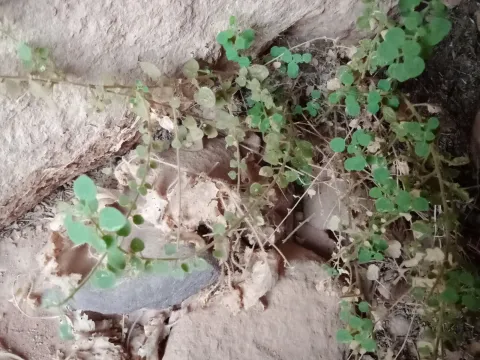
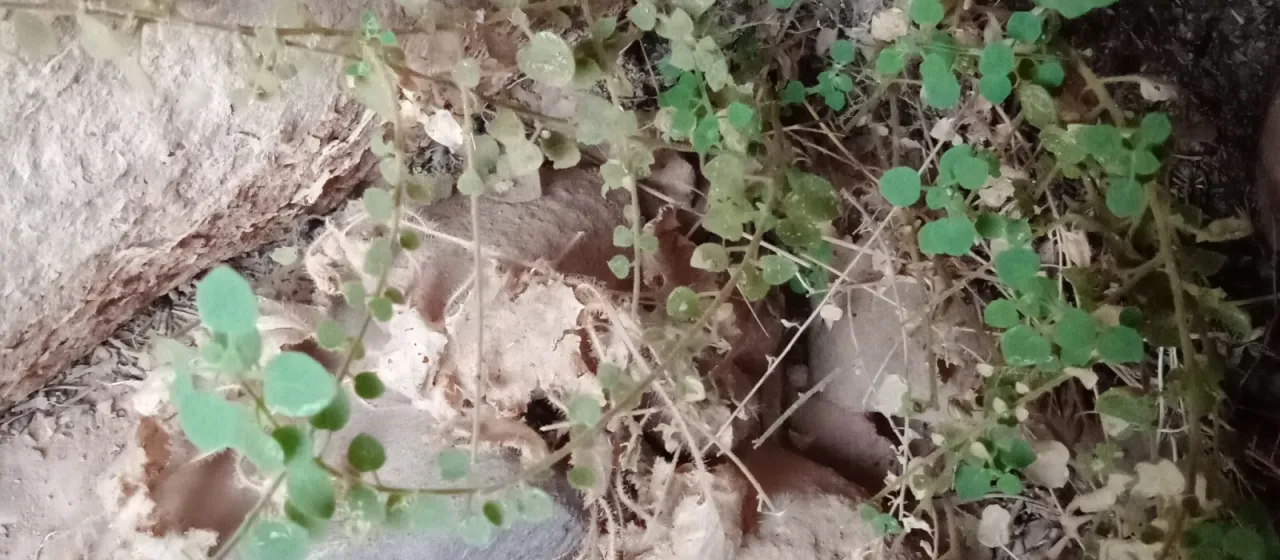
Parietaria alsinifolia is an annual herbaceous plant belonging to the Urticaceae family. Unlike the well-known stinging nettles within this family, this species lacks stinging hairs, making it distinct due to its delicate, prostrate, and creeping stems. Its morphology is closely associated with its common name, which highlights its resemblance to chickweed (stellaria) in terms of habitat and growth habit.
The plant is native to the Mediterranean region and parts of Western Asia. It typically thrives in rocky terrains, shaded areas, and calcareous slopes. In terms of agricultural interest, while it is not a major staple crop, it is studied for its rapid growth cycle and its ability to adapt to environments that are often inhospitable to more demanding domestic plants.
Botanically, Parietaria alsinifolia is characterized by small, entire, ovate leaves and inconspicuous greenish flowers arranged in axillary clusters. The plant does not possess showy petals, as it relies on wind pollination. The root system is relatively shallow, requiring stable environmental conditions to ensure optimal growth throughout the short growing season.
Regarding climate and soil requirements, the plant prefers well-drained, porous soils with a neutral to slightly alkaline reaction. It does not tolerate waterlogging, which often leads to stem rot. In an agricultural setting, it is best grown in semi-shaded environments, as intense, direct sunlight can cause leaf desiccation and inhibit the formation of healthy biomass.
The economic and agricultural utility of Parietaria alsinifolia is mainly linked to its potential as a medicinal herb, with traditional uses focusing on its mild diuretic properties. Growers must remain vigilant against common pests such as aphids and spider mites, which can proliferate in dry conditions. Ensuring proper spacing and airflow is essential to prevent fungal infections like powdery mildew, which can significantly reduce yield quality.
Photo gallery