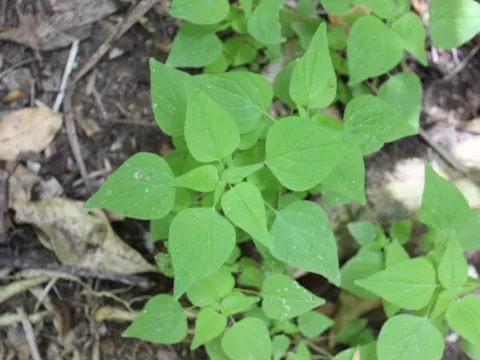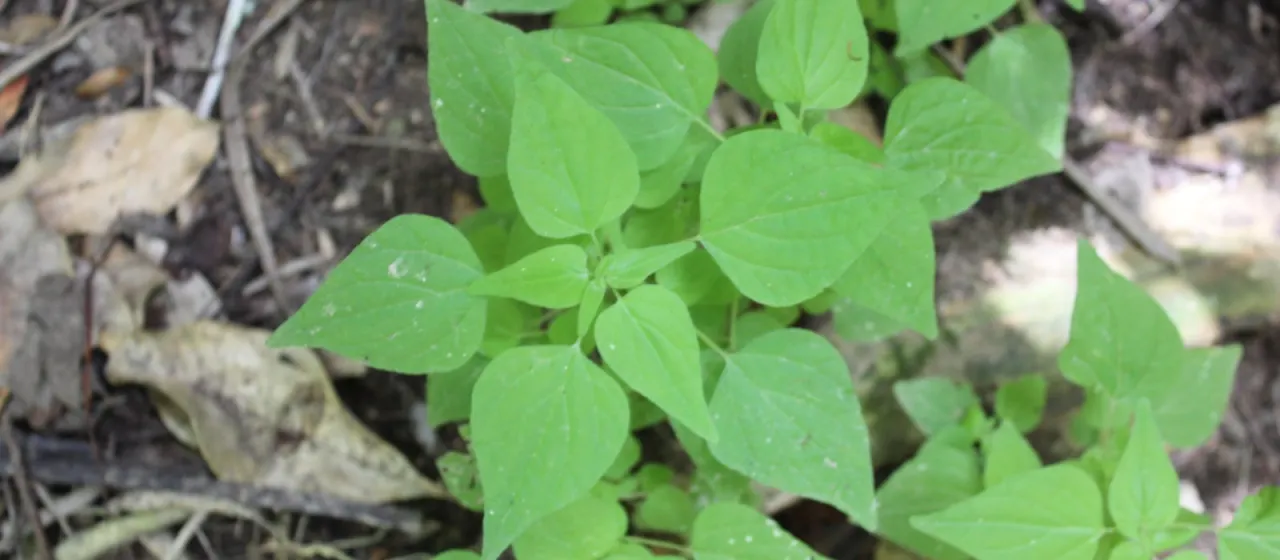
Description
Small-flowered pellitory (lat. Parietaria debilis) is an annual herbaceous plant belonging to the Urticaceae family. While typically identified as a weed in agricultural contexts, it possesses specific physiological adaptations that allow it to thrive in disturbed, shaded, and moisture-rich environments across various global regions.
The species has an extensive distribution range, including parts of Australia, the Americas, and Eurasia. It is naturally adapted to regions with mild climates where it occupies ecological niches near human structures, shaded field margins, and damp soil conditions that provide a stable microclimate throughout its short vegetative cycle.
Botanically, the plant is characterized by its weak, trailing stems and thin, simple, alternate leaves. Unlike some other members of its family, it lacks stinging hairs. The flowers are notably small and inconspicuous, occurring in axillary clusters, and the plant's high efficiency in self-pollination allows it to produce a large number of seeds, facilitating rapid colonization of vacant patches of soil.
Regarding cultivation and environmental requirements, the species favors fertile, high-organic soils with consistent moisture levels. Agronomic management involves consistent tillage to disrupt the seed bank and the implementation of shading strategies or mechanical removal in early growth stages to prevent the weed from establishing dominance in agricultural plots.
Typical agricultural challenges and considerations associated with this plant include:
- Direct competition for water and soil nutrients in commercial vegetable crops.
- Reduced light penetration to young crop seedlings due to rapid sprawling growth.
- Increased operational costs for weed management in greenhouses and irrigation-dependent fields.
Photo gallery