Description
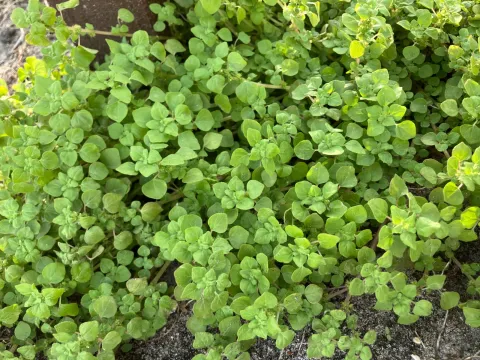
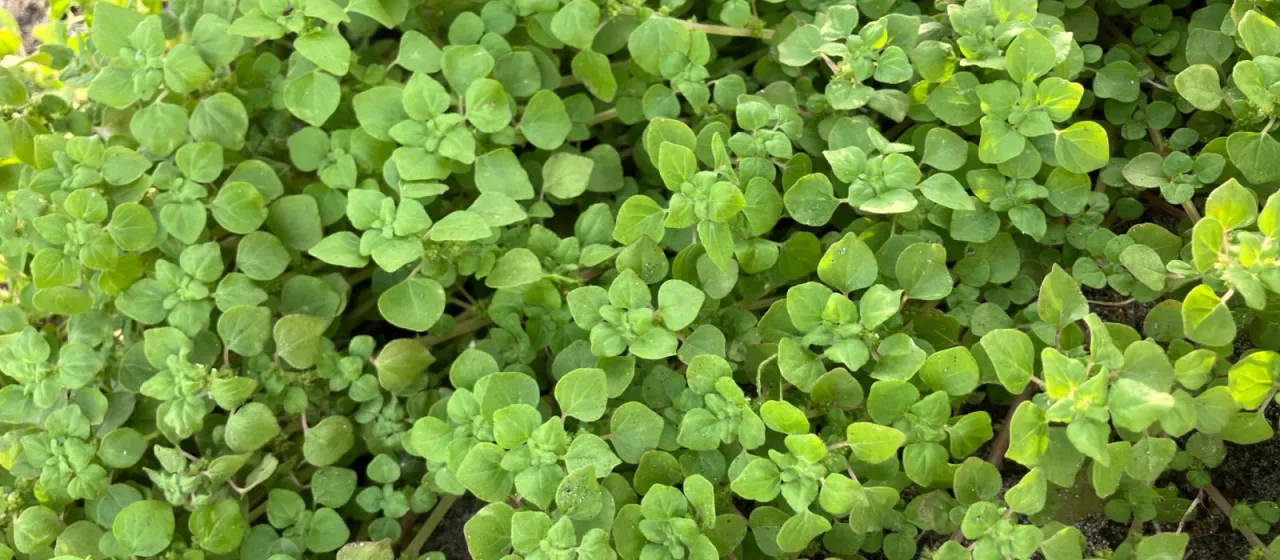
Parietaria nummularia is a perennial herbaceous plant belonging to the Urticaceae family. It is a distinct species characterized by its low-growing habit and specialized leaf morphology, which distinguishes it from the more invasive or common members of the genus Parietaria often encountered in agricultural fields.
The native range of this species is largely centered in Mediterranean-type climates, where it thrives in niches such as rock crevices and shaded slopes. Its evolutionary adaptation favors cool, damp microclimates, making it a specialized plant that requires precise conditions for optimal vegetative development.
Botanically, the plant features succulent-like, coin-shaped leaves and inconspicuous axillary flowers. It relies on wind pollination and possesses a root system capable of penetrating dense substrates, which allows it to survive in habitats that would be unsuitable for many other agricultural crops.
Cultivation requires specific environmental parameters: well-drained, nutrient-rich, yet porous soil is essential. Farmers or researchers must focus on maintaining consistent humidity levels and providing partial shade, as the species is sensitive to intense direct solar radiation and prolonged moisture stress.
Regarding its utility, it serves niche roles in pharmacological research and specialized horticultural projects. The primary pest risks include spider mites and fungal pathogens like powdery mildew, which are best managed through preventative sanitation, correct spacing for airflow, and monitored irrigation schedules.
Photo gallery