Description
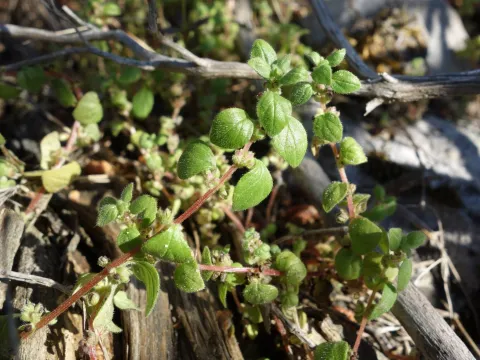
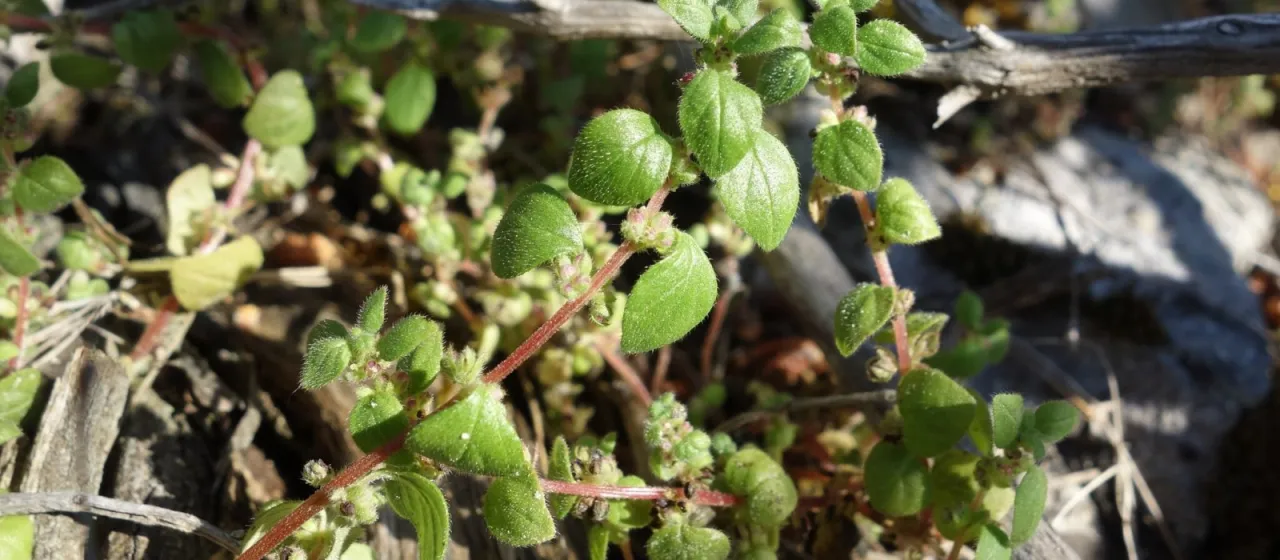
Iberian pellitory (Parietaria lusitanica) is an annual herb within the Urticaceae family. Unlike the stinging nettle, this species lacks stinging trichomes, making it a harmless yet distinctive member of its family, characterized by its low-growing habit and specialized habitat preferences in cracks and rocky crevices.
The plant is native to the Mediterranean basin, including parts of Southern Europe and Northern Africa. It thrives in temperate, humid conditions and is often observed growing in shaded environments such as old walls, stone ruins, and rocky outcrops, where it utilizes the thermal stability of masonry surfaces.
Botanically, the plant features alternate, ovate-lanceolate leaves and tiny, greenish flowers clustered in leaf axils. It exhibits a trailing growth pattern, often forming dense mats that can cover significant surface areas if the environment remains moist and sheltered from direct, scorching sunlight.
Regarding cultivation and agronomy, this plant is generally not a commercial crop but can behave as an invasive weed in orchard or vineyard settings. Requirements for growth include well-drained, nutrient-rich soil with a neutral to slightly alkaline pH. Proper management involves controlling its spread in areas where it competes with essential garden vegetation.
Uses of Parietaria lusitanica are limited to ecological studies and traditional local practices. Its primary significance is in biodiversity, serving as a host for specific insect larvae. Common pests include aphids and mites, while fungal diseases like powdery mildew are the most prevalent issues encountered during periods of high humidity.
Photo gallery