Pedicularis apodochila
Pedicularis apodochila
Description
Pedicularis apodochila is a herbaceous perennial plant belonging to the Orobanchaceae family. Like other members of its genus, this plant is a root hemiparasite, which means it obtains part of its nutrition by tapping into the root systems of nearby host plants while still performing its own photosynthesis.
The origin and natural range of this species are tied to high-mountain environments, specifically subalpine and alpine meadows. These regions provide the cold, humid climate necessary for the plant's physiological processes. It is typically found in rugged terrains where it has evolved to survive harsh winters and intense solar radiation.
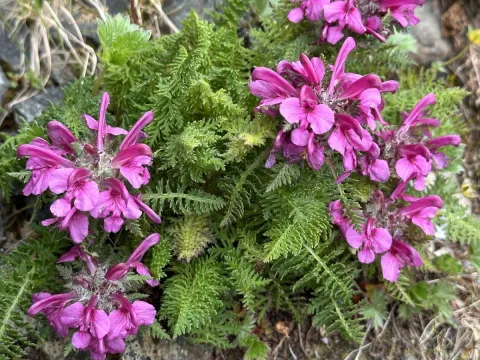
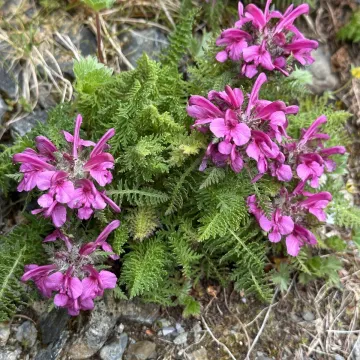
Botanically, the plant is characterized by a basal rosette and a unique floral structure adapted for specialized pollinators. The complexity of the flowers is a key trait that differentiates it within the genus. The plant's ability to extract nutrients from other species allows it to thrive in nutrient-poor alpine soils where competitors often struggle.
Regarding soil and climate requirements, Pedicularis apodochila is extremely sensitive to disturbance. It favors acidic to neutral soils with good drainage and high organic content. Due to its hemiparasitic nature, it cannot be easily cultivated in standard agricultural settings, as it requires the presence of specific companion host plants to establish a healthy root system.
In terms of economic and practical use, the plant is primarily of botanical and ecological interest. While some Pedicularis species have been historically used in traditional herbal medicine, Pedicularis apodochila is primarily valued for its contribution to biodiversity in alpine ecosystems. It remains a subject of study for botanists interested in plant-parasite interactions.
- Family: Orobanchaceae
- Growth Habit: Hemiparasitic perennial
- Habitat: Alpine/Subalpine regions
- Ecological niche: Specialized floral visitor dependency
Photo gallery