Description
Pedicularis atropurpurea, commonly known as a type of lousewort, is a herbaceous perennial belonging to the Orobanchaceae family. This species is recognized as a hemiparasite, meaning it carries out photosynthesis but relies on the root systems of host plants to supplement its mineral and water requirements through specialized organs known as haustoria.
The native distribution of this plant is centered in high-altitude mountain regions and moist alpine meadows. It thrives in environments with cool summers and significant soil moisture levels. Due to its complex ecological dependencies, the plant is not typically grown as a conventional agricultural crop but remains of interest in botanical research and conservation science.
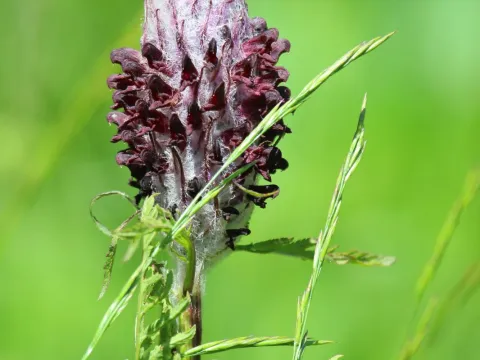
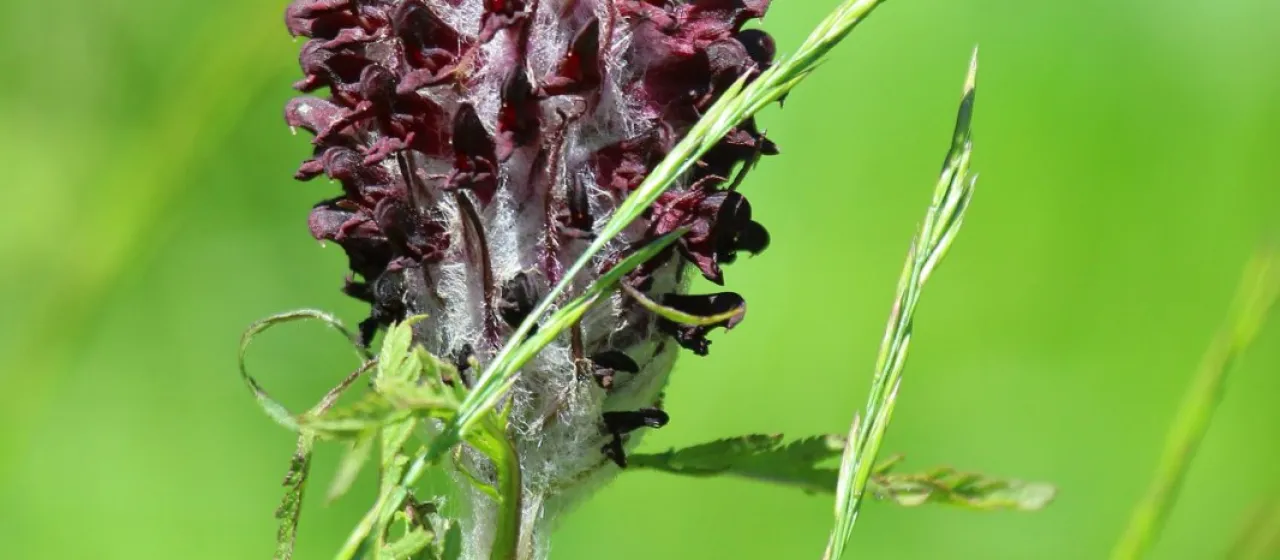
Botanically, the plant is characterized by a straight, sturdy stem and deep purple inflorescences that bloom during the summer months. Its leaves are typically pinnately lobed, allowing for efficient light absorption in its natural habitat. The development of the plant is intrinsically linked to its ability to successfully anchor itself into the root system of suitable host plants during the early growth stages.
Agronomic requirements for cultivating Pedicularis are stringent. Successful growth depends on selecting a compatible host species, maintaining a specific soil pH, and ensuring consistent moisture levels without waterlogging. The use of traditional chemical fertilizers is generally discouraged, as they may disrupt the delicate symbiotic balance required for the plant's survival.
The plant has limited commercial application, though it is often studied for its phytochemical profile in ethnobotanical contexts. Pests and diseases that typically affect this species include root rot caused by poor soil drainage and infestation by sucking insects such as aphids. Careful management of the surrounding vegetation is essential to maintain the health of the host-parasite system.
- Requires host plant for root-based nutrient uptake.
- Prefers well-drained but consistently moist alpine soils.
- Sensitive to heavy chemical fertilization.
Photo gallery