Description
Pellaea calomelanos, commonly known as a type of cliff brake, is a distinct fern species belonging to the Pteridaceae family. This plant is recognized for its unique, leathery foliage and its ability to adapt to rocky, challenging environments, making it a favorite among fern enthusiasts and botanists alike.
The origin of this species is traced to the southern and eastern regions of Africa. It naturally inhabits rocky outcrops and mountain slopes, which explains its high tolerance to dry conditions and its preference for mineral-rich, well-drained substrates compared to forest-dwelling ferns.
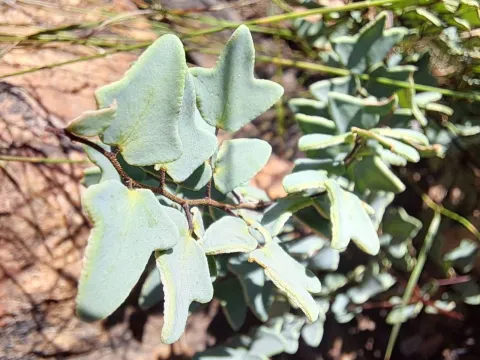
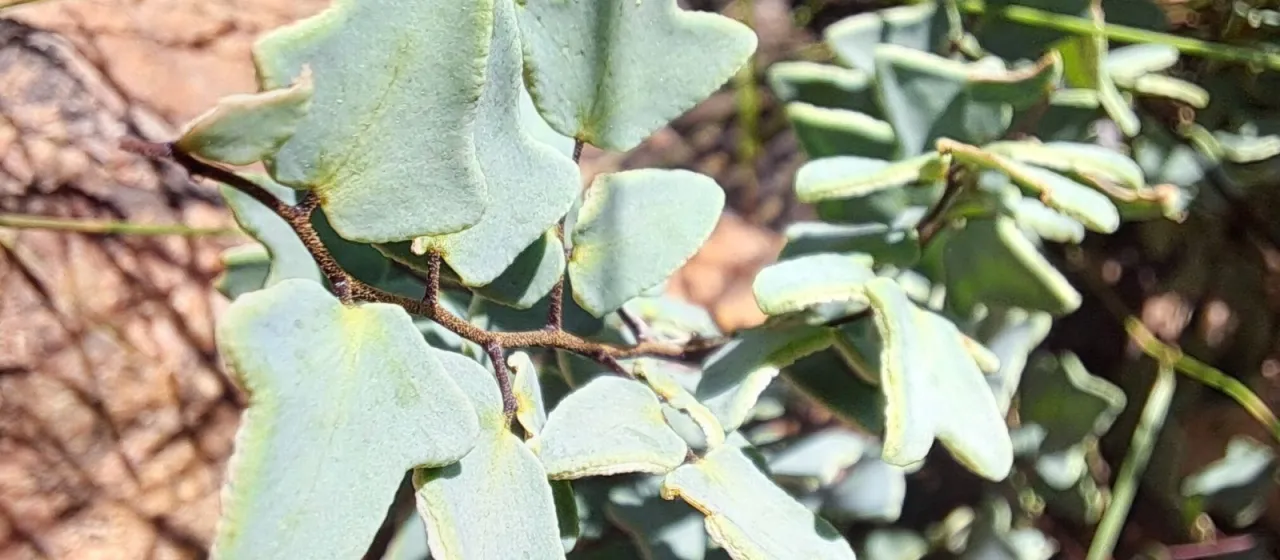
Botanically, the plant features rigid, triangular leaflets with a dark green color, supported by dark brown or blackish stalks, which gives the plant its name (calomelanos meaning "black-stemmed"). The growth habit is rhizomatous, allowing the fern to slowly spread across crevices in its natural habitat or across the pot surface in cultivation.
Agricultural and horticultural requirements focus on mimicking its natural rock-dwelling environment. The substrate must be highly porous, typically composed of peat, coarse sand, and limestone chips. While it requires regular light, intense direct sunlight should be avoided to prevent scorching the delicate foliage.
- Requires well-draining soil mix.
- Avoid overwatering to prevent root rot.
- Maintains best growth in temperate indoor conditions.
In ornamental settings, Pellaea calomelanos is used as an accent plant due to its structural foliage. Common pests include spider mites and mealybugs, which are usually managed by maintaining proper air circulation and monitoring humidity. Proper care ensures the plant remains disease-free and maintains its aesthetic appeal throughout the year.
Photo gallery