Description
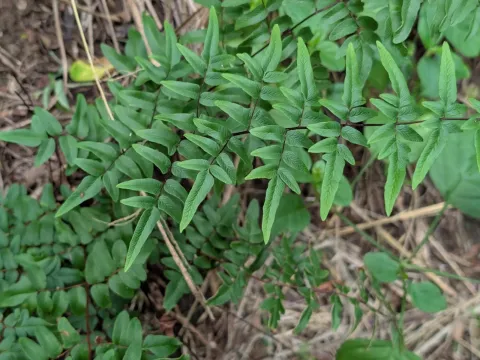
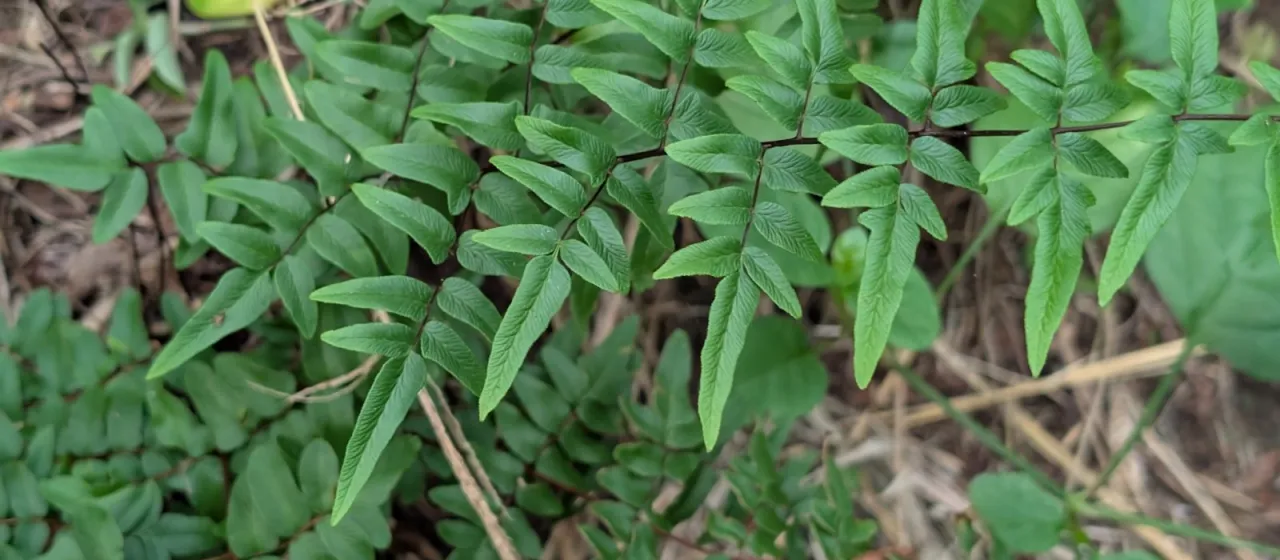
Pellaea viridis, commonly known as the green cliff brake, is a perennial fern belonging to the Pteridaceae family. This species is highly valued for its elegant, dark green, glossy fronds, which provide a lush and sophisticated appearance, making it a popular choice for both interior landscaping and greenhouse cultivation.
The plant originates from the tropical and subtropical regions of Africa and parts of the surrounding islands. In its natural habitat, it thrives in shaded areas, often growing in rock crevices or damp woodland floors. This background determines its primary requirement for moderate light levels and consistent moisture in the root zone.
Botanically, Pellaea viridis is characterized by a creeping rhizome that supports several ascending fronds. Unlike many other ferns, its foliage is relatively hardy and can withstand slight fluctuations in environmental conditions, provided that the humidity levels remain within an optimal range of 50–60 percent.
Successful cultivation requires a well-draining, porous growing medium, typically consisting of peat, perlite, and coarse sand. Watering practices should focus on maintaining a consistently moist substrate without waterlogging, as the roots are sensitive to hypoxia. Temperature requirements range from 18°C to 24°C, with the plant showing poor tolerance for temperatures falling below 12°C.
Common issues in the cultivation of this fern include pests such as aphids, mealybugs, and spider mites, particularly in low-humidity environments. Fungal diseases related to overwatering are also a significant risk. Regular monitoring of the foliage and ensuring proper ventilation are essential practices for maintaining a healthy and vigorous specimen year-round.
Photo gallery