Description
Button fern (Pellaea rotundifolia) is an evergreen fern species belonging to the Pteridaceae family. It is widely recognized in the horticultural industry as a decorative houseplant, valued for its unique morphology and relative hardiness compared to more demanding fern varieties.
The plant originates from New Zealand and the surrounding islands, where it typically inhabits rocky crevices and forest floors. This natural habitat has influenced its physiological resilience, allowing it to adapt to standard indoor environments more effectively than many other pteridophytes.
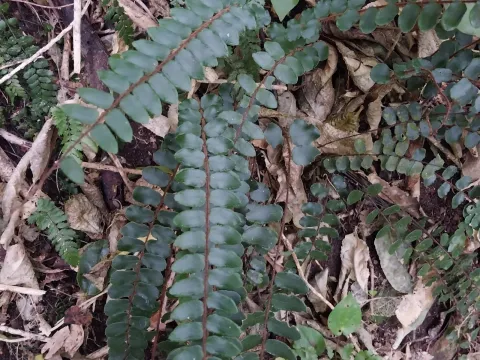
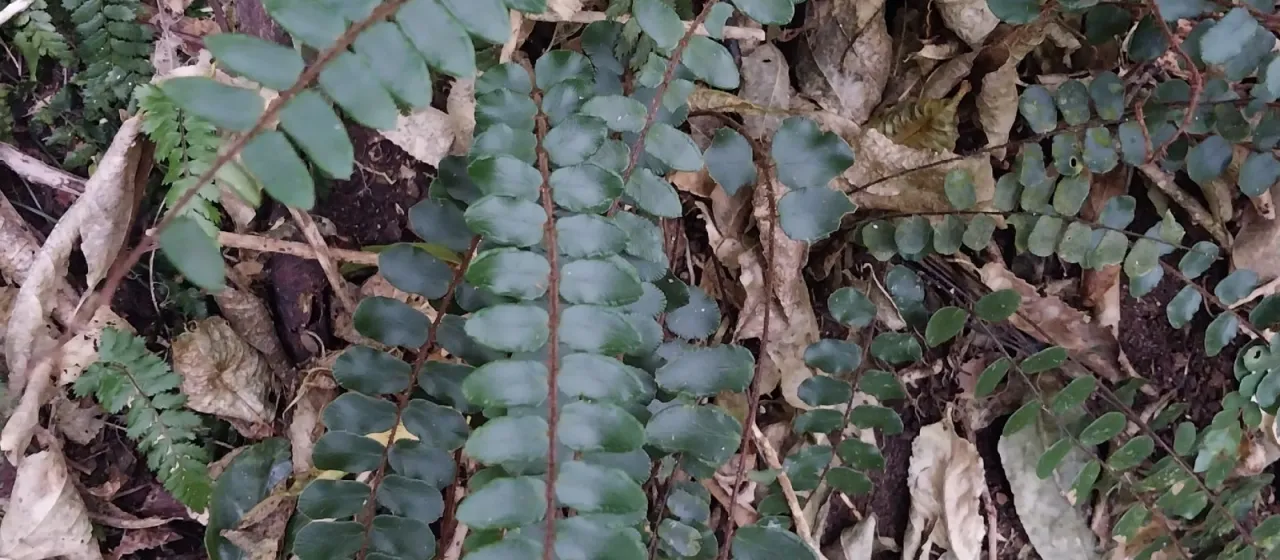
Botanically, the species is defined by its small, rounded, dark green pinnae arranged along a dark stem, resembling buttons. These leathery fronds sprout from a creeping rhizome, forming a compact clump that rarely exceeds 30 cm in height. Its aesthetic appeal lies in the contrast between the glossy foliage and the sturdy stems.
In terms of cultivation, the plant requires well-draining, slightly acidic soil. Unlike many other ferns, it is moderately tolerant to lower humidity levels, though it still thrives best in stable environments. Over-watering is the primary cause of cultural failure, leading to rapid root decay, thus efficient drainage is mandatory for successful production.
Commercially, it is used for ornamental pot production and terrarium landscaping. The most common pests include mealybugs and spider mites, which thrive in stagnant air. Disease management primarily focuses on preventing fungal pathogens caused by improper irrigation practices and poor ventilation in greenhouse settings.
- Light requirement: Bright, indirect light.
- Irrigation: Allow the top layer of soil to dry out between waterings.
- Temperature: 15°C to 22°C (60-72°F).
- Propagation: Rhizome division or spores.
Photo gallery