Phagnalon graecum
Phagnalon graecum
Description
Phagnalon graecum is a perennial herbaceous plant belonging to the Asteraceae family. In an agricultural context, it is recognized as a hardy species native to the Mediterranean region, often studied for its resilience and potential use in specialty botanical production and essential oil extraction.
The natural range of Phagnalon graecum spans Southern Europe, North Africa, and the Middle East. It thrives in arid environments, specifically on rocky slopes, limestone crags, and well-drained soils where most conventional crops would fail due to low moisture availability and high soil alkalinity.
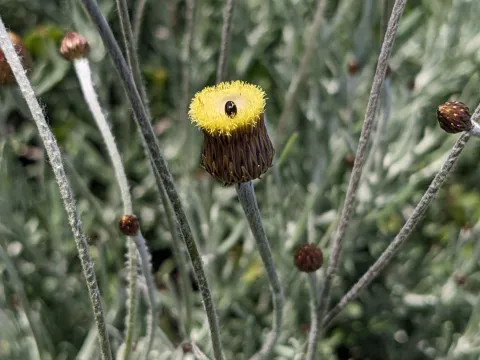
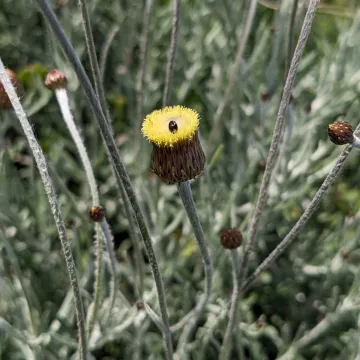
Botanically, the plant is characterized by a semi-shrub habit with dense, tomentose (hairy) leaves that provide a distinct grey-green appearance. These hairs are a critical adaptation, reducing transpiration and protecting the plant from excessive solar radiation. The flowers are typically small, yellow, and arranged in capitula.
Cultivation requirements for this species are focused on replicating its natural xerophytic habitat. Growers must prioritize excellent drainage to prevent root rot. It is a low-maintenance plant that requires full sunlight and does not perform well in nutrient-rich or compacted soils. Irrigation should be minimal, only to prevent total desiccation during the establishment phase.
The agricultural and economic utility of Phagnalon graecum includes:
- Extraction of bioactive compounds for pharmaceutical applications.
- Use in aromatic and essential oil industries.
- Landscaping for dry, water-restricted zones.
Photo gallery