Phagnalon saxatile
Phagnalon saxatile
Description
Phagnalon saxatile is a perennial herbaceous plant belonging to the Asteraceae (Daisy) family. Known for its resilience in harsh environments, this plant has gained attention as a specialized culture for xeriscaping and sustainable landscaping, where water conservation is a primary goal.
The origin of Phagnalon saxatile is traced to the Mediterranean basin, where it thrives in rocky environments, crevices, and calcareous slopes. Its geographical range covers Southern Europe and parts of North Africa, where the plant has evolved to dominate niches that are typically inaccessible to standard agricultural crops due to extreme drought and lack of soil depth.
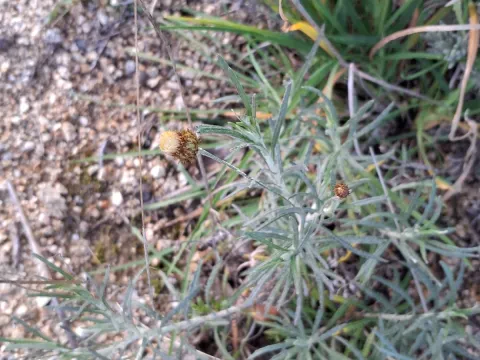
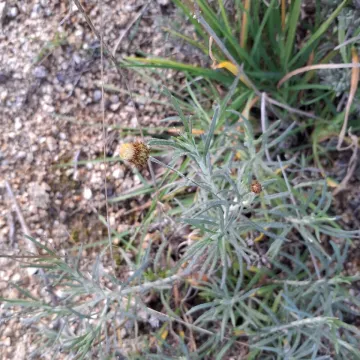
The plant features distinct botanical characteristics, such as a dense tomentose (woody-wooly) indumentum on its foliage and stems. This silvery-grey coating acts as a physiological shield, reflecting intense solar radiation and significantly reducing transpiration. The inflorescences are small, yellow, disk-like heads that provide a minimalist aesthetic typical of Mediterranean flora.
Agrotechnical requirements for Phagnalon saxatile are highly specific to its natural habitat. The plant requires excellent drainage, as root rot is the most common cause of mortality. It prefers nutrient-poor, rocky, or sandy substrates with a neutral to slightly alkaline pH. In cultivation, growers should avoid over-fertilization, as high nutrient levels can weaken the plant's structural integrity and resistance to disease.
- Extreme drought tolerance suitable for arid climates.
- Thrives in poor, rocky soil conditions.
- Low maintenance requirements once established.
- High aesthetic value in rock gardens and urban containers.
- Minimal need for chemical pesticides and fertilizers.
In terms of хозяйственного (utilitarian) use, the plant is mainly employed for slope stabilization in eco-engineering projects and ornamental landscape design. It is relatively resistant to standard field pests, although in greenhouse or nursery conditions, aphids and spider mites can occasionally cause issues. Preventing fungal development via controlled humidity is the most critical management practice for this species.
Photo gallery