Rock Phagnalon
Phagnalon rupestre
Description
Rock Phagnalon (lat. Phagnalon rupestre) is a perennial herbaceous plant or subshrub belonging to the Asteraceae family. This species is recognized in agricultural and botanical studies for its exceptional resilience to harsh environments, making it a valuable subject for research into drought-tolerant crops and sustainable landscaping in arid climates.
The plant originates from the rocky landscapes of the Mediterranean basin, North Africa, and the Atlantic islands. Its native habitat consists of limestone crevices and dry, impoverished soils where water retention is low. This evolutionary history has equipped the species with the ability to thrive under high solar exposure and limited rainfall, which defines its core biological profile.
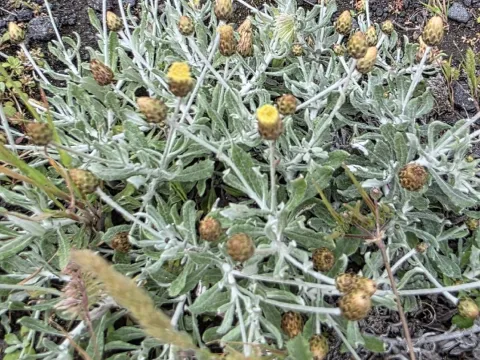
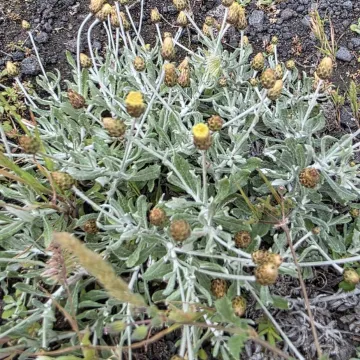
Botanically, the plant is characterized by its dense tomentose (woolly) pubescence covering the leaves and stems, which acts as a protective layer against transpiration and thermal stress. It forms low-growing, compact clusters with yellow flower heads. These structures are adapted to withstand wind and physical erosion, common in their natural mountain and coastal environments.
Cultivation requirements are strict regarding drainage; the plant is highly susceptible to root rot in waterlogged conditions. It thrives in poor, rocky, or sandy substrates with low nitrogen content. Agricultural practices focus on minimal disturbance, as excessive fertilization can weaken the plant's natural structural integrity and resistance to dry conditions.
- Requires full sun exposure for optimal growth.
- Excellent drought resistance once established.
- Pruning of withered stalks helps maintain a compact form.
- Susceptible to fungal infections under humid conditions.
Economically, Rock Phagnalon is primarily utilized in xeriscaping to prevent soil erosion on slopes and as a medicinal herb in traditional practices. Key pests are generally limited to aphids or mealybugs in controlled nursery environments, whereas fungal diseases from excessive moisture remain the most significant threat to plant health in high-humidity cultivation sites.
Photo gallery