Glacier hawkweed
Pilosella glacialis
Description
Glacier hawkweed (Pilosella glacialis) is a perennial herbaceous plant belonging to the Asteraceae family. It is distinct for its specialized adaptation to high-altitude environments, where it serves as a robust ground-covering species in harsh climatic zones that are typically hostile to more delicate vegetation.
The plant originates from the alpine and subalpine regions of Europe. Its distribution area is strictly confined to mountainous terrains, rocky outcrops, and unstable scree slopes. Due to its natural habitat, it demonstrates exceptional hardiness, allowing it to survive extreme frost and short growing seasons typical of mountainous ecosystems.
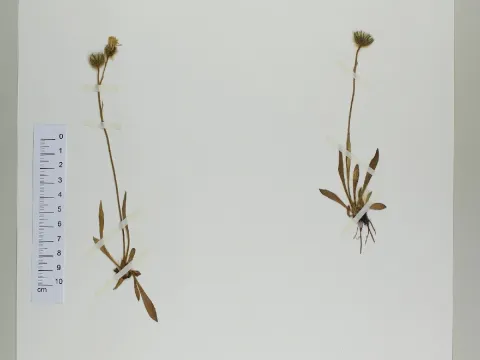
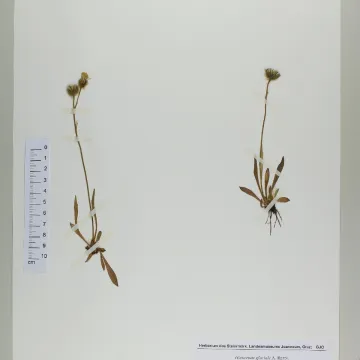
Botanically, it features a low-growing rosette of leaves covered in dense hair, which serves as a physiological mechanism to reduce moisture loss and protect against extreme solar radiation. The plant produces solitary flower heads with vibrant yellow petals. Its root system is relatively shallow, relying on horizontal stolons to spread across the substrate and stabilize the surrounding soil.
Successful cultivation requires mimicry of its native environment. It demands high light intensity and soils with excellent drainage, preferably rocky or sandy substrates with low nutrient content. It is intolerant of waterlogging, which often leads to root rot, making site selection and soil preparation the most critical factors in its agrotechnical management.
While not a traditional agricultural commodity, glacier hawkweed is highly valued in rock gardening and alpine landscaping for its unique aesthetic and ability to thrive in poor soils. In terms of health, it is rarely susceptible to severe disease, although aphids can occasionally infest the foliage. Monitoring moisture levels remains the primary maintenance task for growers looking to maintain a healthy population.
Photo gallery