Kralik's hawkweed
Pilosella kralikii
Description
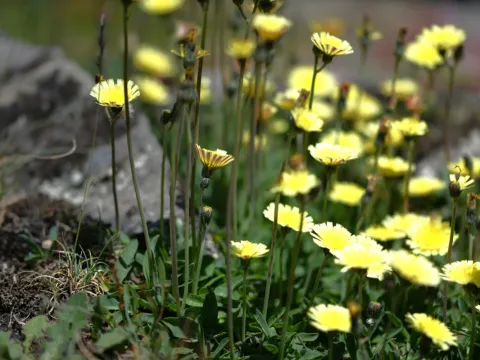
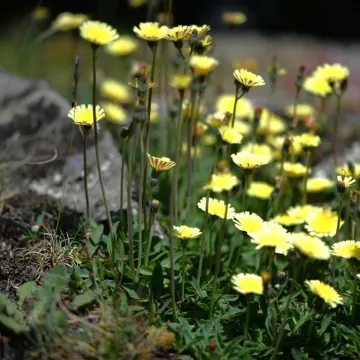
Kralik's hawkweed (Pilosella kralikii) is a perennial herbaceous plant belonging to the Asteraceae family. In agronomy, this species is noted for its resilience and ability to thrive in challenging environments. The plant is structurally adapted to survival in harsh conditions, maintaining growth even in nutrient-poor substrates.
The origin of the species is linked to temperate and mountainous regions where it has historically adapted to rocky terrains. Its distribution area encompasses zones characterized by low moisture and high solar radiation, making it an excellent candidate for cultivation in regions with climate volatility.
Botanically, the plant is distinguished by its pubescent leaves that provide drought resistance. The root system is highly efficient at nutrient uptake from thin soils. It reproduces through both seeds and vegetative mechanisms, which ensures the stability and expansion of its populations in the field.
Cultivation requirements involve high standards for soil aeration and drainage. The crop does not tolerate waterlogging, which often leads to root damage. Field management should focus on maintaining a clean seedbed free of aggressive weeds, and irrigation should be limited to avoid physiological stress.
Key areas of economic utility include:
- Processing for pharmaceutical applications.
- Use in rock garden design and erosion control.
- Potential for soil stabilization on disturbed slopes.
The plant is occasionally susceptible to fungal diseases such as powdery mildew, especially in humid or poorly ventilated settings. Common pests include aphids and various leaf-feeding insects. Effective management involves monitoring plant health and ensuring proper spacing to improve air circulation.
Photo gallery