Pouzolzia bennettiana
Pouzolzia bennettiana
Description
Pouzolzia bennettiana is a perennial shrub belonging to the Urticaceae (nettle) family. Unlike some of its notorious cousins, this species does not possess stinging hairs, making it much easier to handle during harvest. It is recognized in regional agriculture for its adaptability to specific tropical ecosystems and its potential for yielding high-quality fibrous materials.
Native to Southeast Asia, the plant thrives in humid forest regions and mountainous terrains. Its natural habitat is characterized by filtered light and consistent soil moisture, which dictates its cultivation requirements in a controlled agricultural environment. Successful commercial propagation requires simulating these forest-floor conditions to ensure optimal growth and yield.
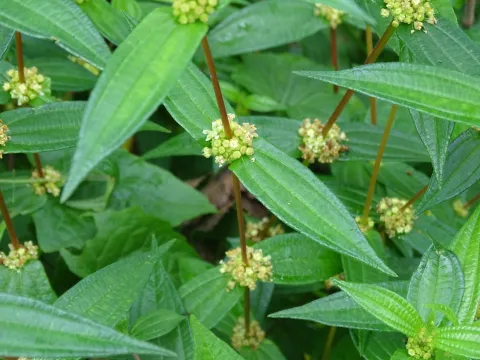
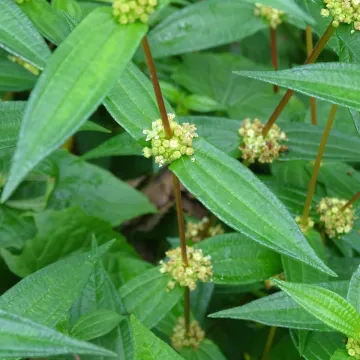
Botanically, Pouzolzia bennettiana features a woody base and leafy stems with distinct venation patterns. The flowers are small and inconspicuous, typical of the family, and pollination is usually facilitated by wind. The plant's root system is robust, allowing it to anchor securely in loose, organic-rich substrates typical of tropical rainforest biomes.
Agricultural practices for this crop emphasize soil quality and moisture management. The soil must be nutrient-rich and well-draining to prevent root rot, while supplemental irrigation is necessary during dry spells. In terms of spacing, the plants require sufficient room for canopy development, and in many cases, intercropping under the shade of taller, non-competing species is the most efficient production method.
The primary economic value of this plant lies in its stem fibers, which are strong, durable, and flexible. Historically, these fibers have been processed into cords, ropes, and traditional textile fibers. Ongoing research explores the phytochemical potential of the plant, suggesting that future utilization might extend into the pharmaceutical or nutraceutical sectors as more chemical profiles are identified.
- Optimal growth zone: Tropical and subtropical.
- Preferred light: Partial shade to diffused light.
- Common pests: Spider mites and aphids.
- Management practice: Pruning to encourage new stem growth for fiber production.
Photo gallery