Pouzolzia mixta
Pouzolzia mixta
Description
Pouzolzia mixta is a perennial woody shrub belonging to the Urticaceae family. Unlike many of its cousins in the stinging nettle family, this species does not possess stinging hairs, making it a distinct and easier plant to manage in terms of field maintenance and harvesting. It is a hardy perennial known for its resilience within its native ecosystems.
The plant originates from the tropical regions of Africa, where it is found in savanna habitats, forest margins, and open woodlands. Its native range suggests a preference for environments with distinct seasonal cycles, which has helped the plant develop mechanisms to cope with periods of heat and limited moisture, making it a robust candidate for specific agricultural climates.
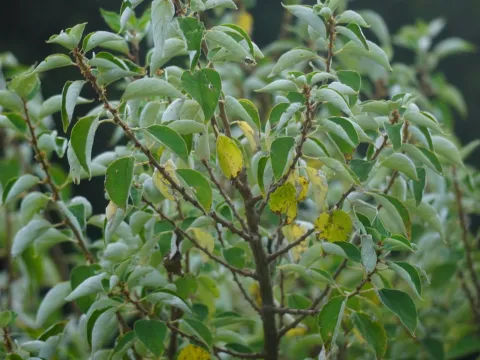
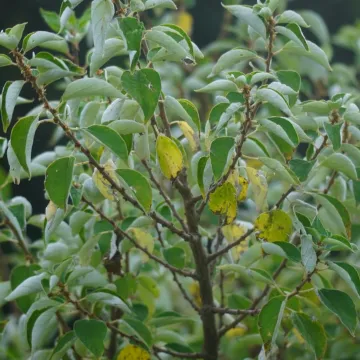
Botanically, the species is characterized by its alternate, often asymmetric leaves with distinct venation patterns. The flowers are small and inconspicuous, clustered in the leaf axils, reflecting an adaptation to wind or specialized insect pollination. The root system is quite extensive, providing the plant with the structural support needed to thrive in varied soil profiles ranging from sandy to loamy textures.
Agricultural requirements for this crop focus on ensuring well-drained soil conditions and adequate sun exposure. While the plant can tolerate moderate shade, peak growth is observed in high-light environments. Irrigation should be managed carefully to avoid waterlogging, as the root zone is sensitive to oxygen deprivation. Proper spacing is also crucial to ensure adequate airflow, which prevents the development of fungal pathogens.
- Requires well-drained, nutrient-rich soil.
- Sensitive to excessive moisture in the root zone.
- Beneficial for fiber extraction and traditional medicinal uses.
- Susceptible to typical sucking pests and leaf spots.
Economically, Pouzolzia mixta is valued for its bark fiber, which has historical applications in weaving and rope-making. In terms of plant health, farmers should watch for common pests such as aphids or spider mites, especially in drier seasons. Integrated pest management, focusing on early detection and biological control, is highly recommended to maintain the health of the cultivation area.
Photo gallery