Pouzolzia pentandra
Pouzolzia pentandra
Description
Pouzolzia pentandra is a perennial herbaceous plant belonging to the Urticaceae family. Unlike many of its relatives in the stinging nettle family, this species does not possess stinging hairs, making it easier to handle and potentially useful for various agricultural and medicinal applications within its native range.
The plant originates from the tropical and subtropical regions of Asia, primarily found in countries like India, China, and across Southeast Asia. Its natural habitat includes damp forests, riverbanks, and shaded mountainous areas, where it thrives in humid conditions and consistently moist, nutrient-rich soils.
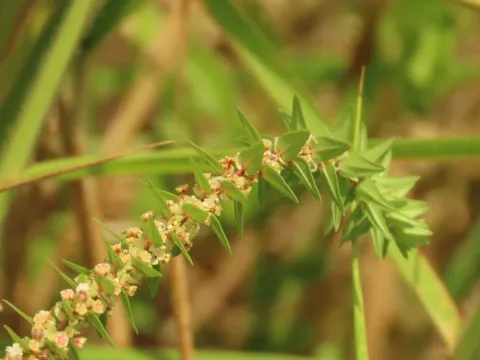
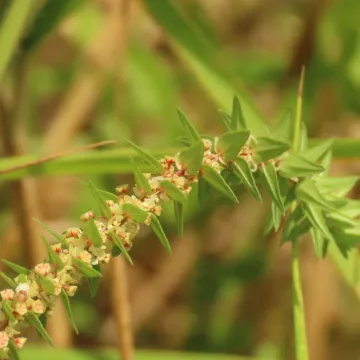
Botanically, it is characterized by its lanceolate leaves arranged oppositely along a sturdy stem. The flowers are small, monoecious, and clustered in the leaf axils. The plant’s root system is robust, allowing it to adapt to diverse ecological niches and recover quickly after harvesting or minor environmental stress.
In terms of cultivation, Pouzolzia pentandra requires fertile, loamy soils with excellent drainage and a slightly acidic to neutral pH. It is a thermophilic crop that thrives in temperatures ranging from 22°C to 28°C. Proper agrotechnical management involves regular moisture supply and ensuring that the plant receives adequate indirect sunlight, as direct harsh sun may damage the leaves.
The primary economic use of this plant is found in traditional medicine and the pharmaceutical industry, where it is utilized for its potential therapeutic properties. Researchers are also exploring its utility as a biomass source and a potential fiber crop, given its biological characteristics and ease of vegetative propagation in controlled environments.
Common health and protection issues for the crop include:
- Root rot pathogens resulting from waterlogged soil conditions.
- Powdery mildew outbreaks in stagnant air environments.
- Infestations of aphids and mites that target young foliage during the peak growing season.
Photo gallery