Discolor lancewood
Pseudopanax discolor Kirk
Description
Discolor lancewood (Pseudopanax discolor) is an evergreen woody species belonging to the Araliaceae family. Known for its distinct foliage, this plant is primarily cultivated for its aesthetic appeal in botanical collections and residential gardens where climate conditions permit.
Native to New Zealand, specifically the North Island, this species thrives in forest environments characterized by high humidity and sheltered positions. Its natural habitat dictates its preference for sites that provide consistent moisture and protection from harsh, drying winds.
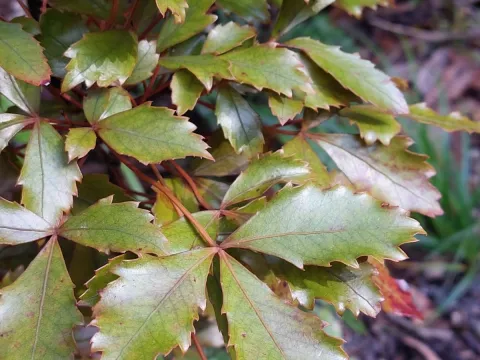
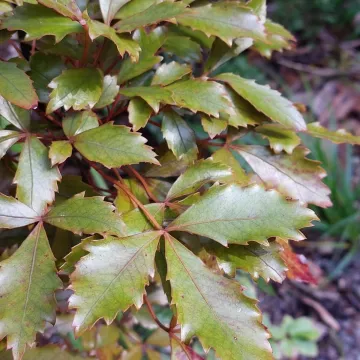
The botanical characteristics of Pseudopanax discolor are defined by its narrow, leathery leaves that exhibit remarkable color variation, ranging from deep green to rich purple-bronze. The plant typically assumes an upright, slender habit, making it an excellent choice for vertical interest in garden designs.
Cultivation requires well-draining, nutrient-rich soil. While the plant is relatively resilient, it performs best when planted in substrates that allow for aeration while maintaining moisture. Regular monitoring for soil compaction is advised to ensure optimal root health and vigorous development.
- Requires moderate shade for optimal foliage color.
- Sensitive to heavy frosts and freezing conditions.
- Prone to spider mite infestations in dry indoor climates.
- Needs consistent, light fertilization during the growing season.
The primary use of this culture is ornamental. It is frequently employed in subtropical landscaping to create contrast with brighter green species. Growers must remain vigilant against common pests like aphids and scale insects, ensuring that any treatment is applied early to prevent leaf damage.
Photo gallery