Raukawa
Pseudopanax edgerleyi K. Koch
Description
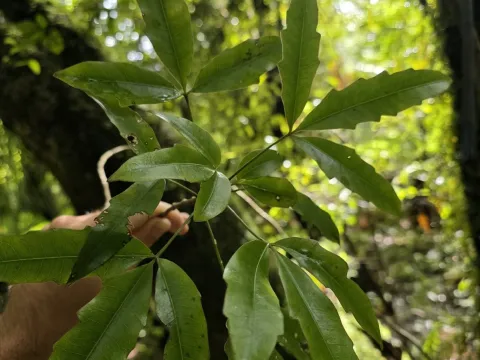
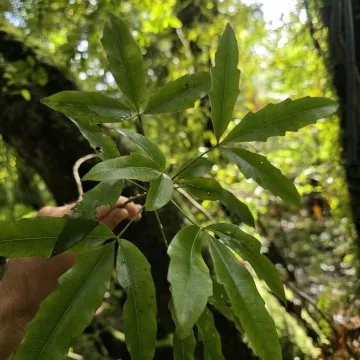
The Raukawa (Pseudopanax edgerleyi) is an evergreen species belonging to the Araliaceae family. Native to the forests of New Zealand, it typically grows as a small tree or shrub. Known for its sophisticated foliage, it is a botanical highlight for enthusiasts of temperate-climate evergreen plants.
Originating from New Zealand, Raukawa is naturally found in moist, shaded forest habitats. It thrives in regions with moderate temperatures and high humidity, mirroring the conditions of its native environment. While it is not a large-scale agricultural crop, it remains a significant ornamental plant in landscaping and private horticulture.
Botanically, the species is defined by its heterophylly. The juvenile leaves appear narrow and serrated, presenting a delicate aesthetic, while mature specimens develop compound, lobed foliage. This transition in leaf shape makes the plant a fascinating subject for botanical study and design, as it changes its silhouette significantly throughout its lifespan.
Cultivation requirements involve well-draining, humus-rich soil and protection from extreme elements. The plant prefers partial shade, as intense sunlight can dehydrate the leaves. Consistent moisture is necessary, but the grower must avoid waterlogging, which can lead to root pathogens. Fertilizer application should be moderate, focusing on balanced organic inputs during the active growing season.
Uses are primarily ornamental, including its placement in sheltered gardens or as a specimen plant. Potential pests include spider mites and scale insects, which are often observed in low-humidity environments. Disease management is focused on preventing crown and root rot, which are common issues if drainage standards are not maintained according to the species' specific requirements.
Photo gallery