Pulicaria undulata
Pulicaria undulata
Description
Pulicaria undulata is a perennial herbaceous plant belonging to the Asteraceae family. Known for its medicinal properties, this species is increasingly recognized as a valuable crop for the pharmaceutical and cosmetic industries due to its rich secondary metabolite content.
Native to arid and semi-arid regions including North Africa, the Middle East, and the Arabian Peninsula, this plant has evolved to thrive in harsh environments. It is naturally found in rocky landscapes and sandy deserts, displaying significant resilience to heat and water scarcity.
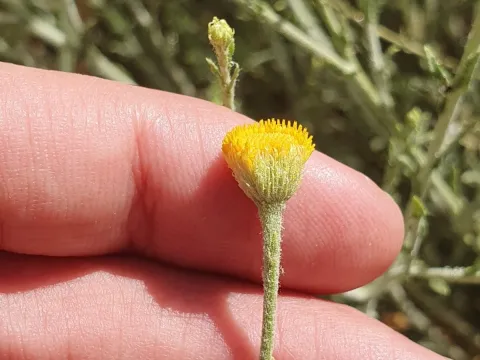
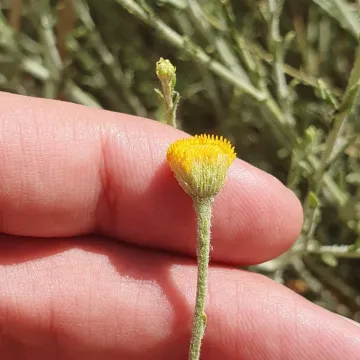
From a botanical standpoint, the plant is a subshrub featuring leaves with distinct wavy margins, which are covered in dense trichomes to regulate water loss. Its small yellow flower heads are highly aromatic, containing a complex profile of volatile oils that define its commercial and biological value.
Regarding cultivation requirements, Pulicaria undulata thrives in well-drained, sandy, or rocky soils with a neutral to alkaline pH. While it is highly drought-tolerant, commercial production benefits from supplementary drip irrigation, which ensures uniform development of the biomass during the vegetative stage.
The agricultural usage of the crop focuses primarily on secondary processing.
- Extraction of essential oils for industrial use.
- Production of antimicrobial herbal preparations.
- Natural insect repellent synthesis.
- Soil stabilization in dryland farming systems.
Major phytopathological risks include root rot and fungal infections, usually caused by improper soil moisture management or poor drainage. The plant is naturally resistant to most insect pests due to its bitter taste and potent chemical profile, making it a low-maintenance crop in suitable climates.
Photo gallery