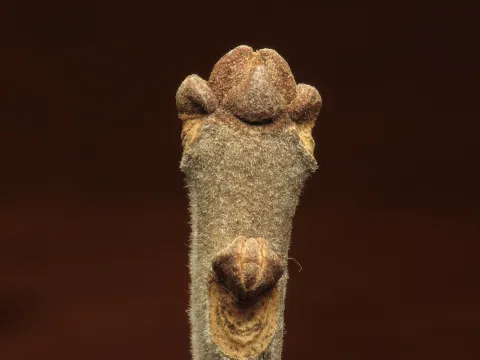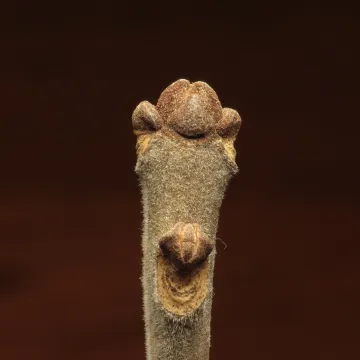
Green ash
Fraxinus pennsylvanica Marsh.
Description
The green ash (Fraxinus pennsylvanica) is a deciduous tree belonging to the Oleaceae family. It is one of the most widely distributed ash species in North America and is frequently cultivated for its rapid growth, high adaptability to different soil types, and environmental resilience.
Native to North America, the species range extends from the Canadian provinces down to the United States. Its natural habitat includes riverbanks, floodplains, and moist upland sites. Due to these characteristics, it has become a staple for urban forestry, windbreak plantings, and riparian restoration projects globally.
Botanically, the tree typically reaches heights of 15 to 25 meters. It is characterized by opposite, pinnately compound leaves with a serrated margin and a distinct pubescence on the underside, distinguishing it from the white ash. The tree produces samara fruits, which are flat, winged seeds that facilitate wind dispersal, ensuring effective natural regeneration.
In terms of cultivation, green ash thrives best in moist, fertile, well-drained soils but is remarkably tolerant of both temporary waterlogging and periodic drought once established. It requires full sunlight to maintain a healthy crown. Modern silvicultural practices focus on ensuring adequate spacing during plantation and preventing soil compaction to support root system expansion.
The wood of the green ash is valued for its strength and elasticity, commonly used for handles, furniture, and flooring. Despite its utility, the species faces significant pressure from the Emerald Ash Borer (EAB), an invasive beetle that poses a lethal threat. Effective management involves integrated pest management (IPM) strategies, including chemical treatments and monitoring for early infestation signs to preserve forestry assets.
Photo gallery