Southern rhaponticum
Rhaponticum australe
Description
Southern rhaponticum (Rhaponticum australe) is a perennial herbaceous plant belonging to the Asteraceae family. Known for its distinct botanical characteristics, this species is becoming a subject of interest in specialized agriculture due to its unique chemical profile and hardiness in various environmental conditions.
Originating from specific regions in the southern parts of Eurasia, the plant has evolved to thrive in diverse habitats. Its cultivation range is steadily expanding as researchers and farmers identify its potential for commercial production. The crop is notably resistant to temperature fluctuations, making it a reliable choice for sustainable farming in suitable climatic zones.
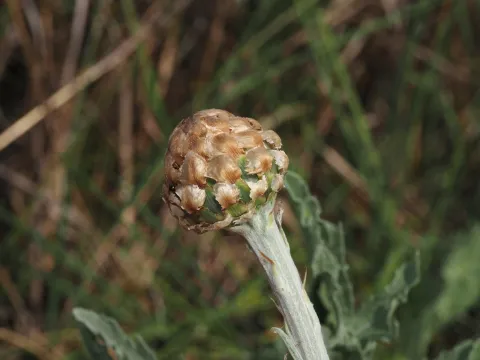
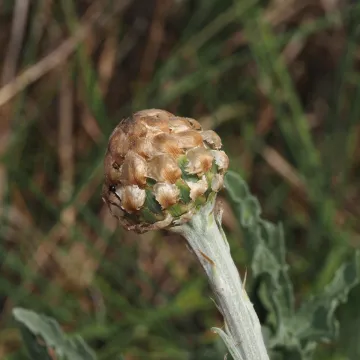
Botanically, Rhaponticum australe is characterized by a strong root system and a rosette of basal leaves. The erect stems produce singular flower heads with dense, decorative bracts. The plant undergoes a full vegetative cycle, entering dormancy during the cold season and sprouting vigorously with the arrival of spring, which is a key trait for its longevity as a perennial crop.
Agricultural requirements for Southern rhaponticum include well-drained, nutrient-rich soils with moderate moisture retention. The plant prefers sun-exposed sites and thrives when provided with adequate spacing to minimize competition for nutrients. Soil aeration is critical, as root systems are susceptible to decay in compacted, waterlogged substrates.
- Propagation: Primarily by seeds or crown division.
- Planting density: Ensuring 60 cm intervals for optimal canopy development.
- Fertilization: Balanced NPK applications during the early vegetative phase.
- Harvesting: Peak concentration of active ingredients occurs during the flowering period.
In terms of economic use, the crop is primarily processed for its extract, which is valued in the pharmaceutical and wellness industries for its biologically active components. While the plant is robust, management practices should include regular monitoring for common pests, such as aphids, and preventative measures against fungal pathogens like root rot, which are often managed through careful irrigation management.
Photo gallery