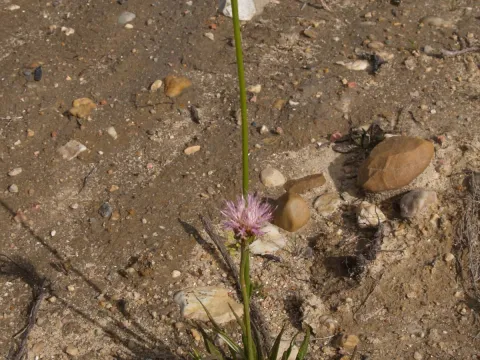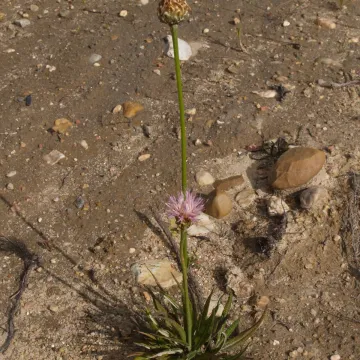
Long-leaved rhaponticum
Rhaponticum longifolium
Description
Long-leaved rhaponticum (Rhaponticum longifolium) is a perennial herb belonging to the Asteraceae family. Known for its medicinal properties, this crop is increasingly recognized for its adaptogenic potential, specifically due to the presence of ecdysteroids within its root system, which are highly valued in the global supplement market.
The plant originates from the mountainous regions of Central Asia. Its natural habitat includes subalpine meadows and open, rocky slopes. As an agricultural crop, it requires temperate climates with sufficient precipitation and well-draining soil, thriving best in regions that mimic the alpine environment where it occurs naturally.
Botanically, the plant is characterized by a strong, vertical growth habit with long, lanceolate leaves that give it its specific name. It develops a thick, woody rootstock that is the primary target for harvest. This root system is highly efficient at nutrient storage, allowing the plant to survive harsh winter conditions in dormant states.
Agronomic requirements emphasize the importance of deep soil preparation, as the crop prefers fertile, loose loams with a neutral pH. Proper spacing is critical to minimize disease pressure and ensure optimal light penetration. Farmers should prioritize weed control during the establishment phase, as the plant grows relatively slowly during its first year of vegetation.
Economically, the crop is utilized primarily in the pharmacological sector to produce extracts that help improve human metabolic processes and physical performance. Potential threats to production include fungal root rot triggered by waterlogged conditions and infestations by leaf-eating beetles. Effective management involves integrated pest control and monitoring of soil moisture levels.
- High cold hardiness and winter survival rates.
- Preference for well-drained, nutrient-rich soils.
- Significant potential for medicinal extract production.
- Longevity of the crop cycle (up to several years).
Photo gallery