Rhaponticum heleniifolium
Rhaponticum heleniifolium
Description
Rhaponticum heleniifolium is a perennial herb belonging to the Asteraceae family. Known for its robust growth habit and distinct biological properties, this plant is categorized within a genus that has gained recognition for its potential pharmacological and agricultural value. Its structural morphology makes it a significant species for both botanical research and specialized crop production.
Originating from the mountainous regions of Central and Southern Europe, particularly the Alps and Pyrenees, this species is naturally adapted to harsh, high-altitude climates. Its evolutionary history in these rocky environments has endowed the plant with exceptional hardiness, allowing it to survive cold winters and significant diurnal temperature fluctuations.
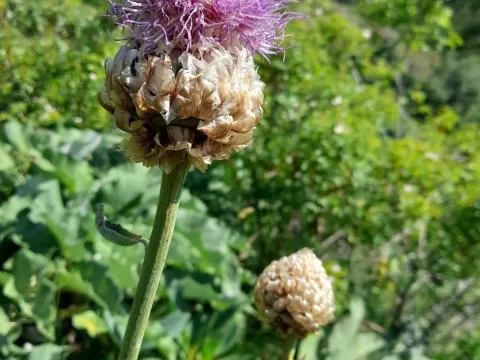
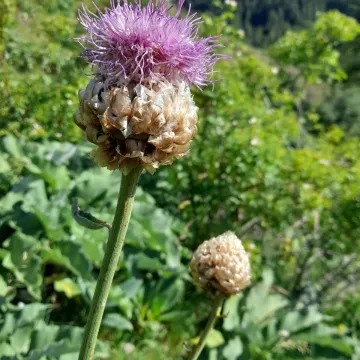
The botanical characteristics of Rhaponticum heleniifolium include large, deeply lobed leaves and dense, purplish flower heads. The root system is deep and fleshy, essential for nutrient storage in poor alpine soils. During the growing season, the plant develops a sturdy vertical stalk that supports the inflorescences, displaying a high degree of structural stability.
Regarding agrotechnical requirements, the plant thrives in well-drained, fertile soils. While it is adaptable to various soil types, maintaining a neutral to slightly acidic pH is beneficial for optimal development. Cultivation necessitates consistent moisture management, as the roots are prone to rotting in stagnant water. Providing adequate space between plants is also crucial to ensure proper airflow and prevent fungal development.
The agricultural and economic utility of the plant is centered on its phytochemical content. Key applications include:
- Extraction of bioactive compounds for pharmacological use.
- Ornamental cultivation in high-altitude or rock gardens.
- Potential use in soil conservation due to its extensive root structure.
When grown in agricultural settings, the crop may be susceptible to root-borne fungal diseases and pests such as aphids. Integrated pest management strategies, such as crop rotation and the use of targeted biological controls, are highly recommended. Proper site selection and careful monitoring of irrigation levels remain the most effective methods for maintaining plant health and productivity.
Photo gallery