Cone-head knapweed
Rhaponticum coniferum
Description
Cone-head knapweed (lat. Rhaponticum coniferum), previously categorized under the genus Leuzea, is a perennial herbaceous plant belonging to the Asteraceae family. This species is highly regarded for its adaptogenic properties, which contain compounds useful in both modern pharmacology and specialized dietary supplement production.
The plant originates from the mountainous regions of Western Europe, where it thrives in alpine and subalpine environments. When cultivated as an agricultural crop, it requires open, sun-exposed fields. It demonstrates significant resilience to climate fluctuations, provided that the soil conditions remain conducive to healthy root development.
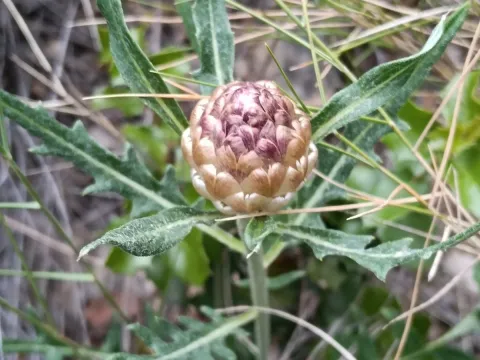
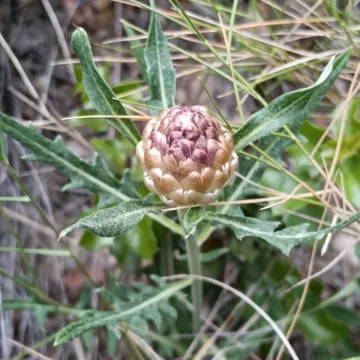
Botanically, it is characterized by its robust perennial root system and distinct cone-shaped inflorescences, which give the plant its specific name. The foliage is typically lobed, forming a basal rosette before the flower stems emerge. The plant's ability to store concentrated bioactive metabolites in its roots makes it a high-value commercial crop for pharmaceutical harvesting.
Agricultural requirements center on well-drained, nutrient-rich soils with a neutral pH. Proper soil preparation is essential to prevent root rot. Propagation is primarily achieved through seeds, which often require cold stratification for optimal germination rates. Once established, the crop is relatively low-maintenance, requiring consistent weed management during its early growth stages.
Host plant utilization is mainly aimed at the harvesting of roots, which are dried and processed into medicinal extracts. Producers must monitor for typical Asteraceae pests, such as aphids, and manage fungal pathogens that may appear in overly moist conditions. Sustainable rotation practices are recommended to maintain high production quality and soil fertility levels.
Photo gallery