White beak-sedge
Rhynchospora alba
Description
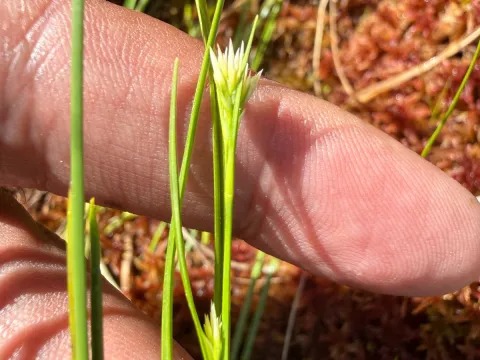
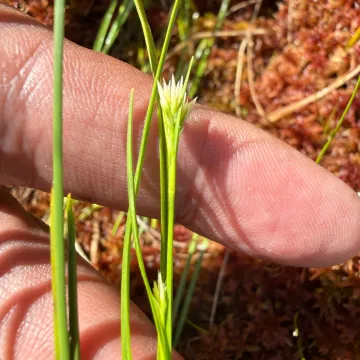
White beak-sedge (Latin Rhynchospora alba) is a perennial herbaceous plant belonging to the Cyperaceae family. It is widely recognized as a characteristic species of nutrient-poor wetlands and acidic peat bogs, demonstrating unique adaptation strategies to environments with extremely low mineral availability.
The native range of this species extends across temperate regions of the Northern Hemisphere, including North America, Europe, and parts of Asia. It thrives in habitats where soil saturation is constant, making it an essential subject for studies regarding the management of peatland ecosystems and natural water filtration zones.
Botanically, the plant features slender stems and narrow, grass-like leaves forming a basal tuft. The distinct white-colored spikelets appear during the flowering stage, creating the characteristic visual appeal of the species. Its rhizomatous growth habit provides structural stability to the soft, waterlogged soil in which it resides.
Cultural requirements emphasize the necessity of acidic, water-logged conditions. Unlike conventional crops, Rhynchospora alba does not respond well to traditional agricultural inputs such as nitrogen fertilizers, which can disrupt its symbiotic relationships. Successful maintenance requires consistent moisture levels and protection from invasive, faster-growing species.
In terms of usage, the plant is primarily employed in ecological restoration projects to stabilize peatlands and as a bio-filter in constructed wetland systems. It faces minimal threats from pests due to the harsh chemical profile of its habitat, though it remains susceptible to fungal diseases if water circulation stagnates or if the pH level of the substrate is artificially altered.
Photo gallery