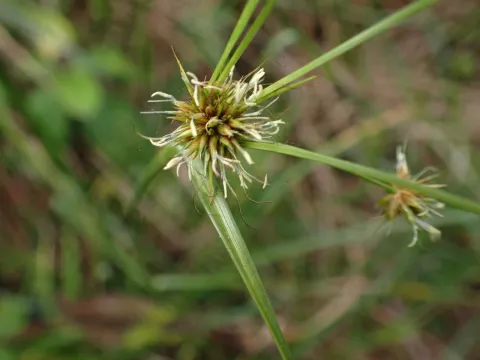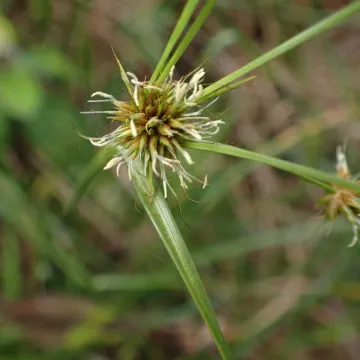
Rhynchospora cyperoides
Rhynchospora cyperoides
Description
Rhynchospora cyperoides is a perennial herbaceous plant belonging to the Cyperaceae family. In agricultural practice, this species is recognized for its ability to thrive in wet and waterlogged conditions, serving as a specialized forage crop in areas where conventional grasses struggle to establish productivity.
The origin of this species is traced back to tropical and subtropical regions, primarily throughout Central and South America. Its natural habitat includes wetlands, marshy meadows, and stream banks, which dictates its high physiological demand for consistent moisture and warmth, characteristics that have been preserved in its agricultural varieties.
Botanically, the plant features erect, slender stems and grass-like foliage, topped with distinct inflorescences typical of the Rhynchospora genus. The root system is notably robust, providing excellent soil binding properties and allowing the plant to sustain itself even in anaerobic soil conditions by developing an intricate network of adventitious roots.
Regarding cultivation requirements, the species favors acidic soils rich in organic matter. Agrotechnical management should focus on maintaining high soil moisture levels and avoiding long periods of drought, which can significantly stunt development. Periodic application of balanced fertilizers supports optimal biomass production throughout the growing season.
The primary agricultural and economic uses include:
- Forage and grazing material for livestock in wet rangelands.
- Soil stabilization and erosion control for wetland management.
- Phytoremediation and ecological restoration of degraded marshlands.
- Integration into sustainable agricultural systems for biomass production.
The crop is susceptible to several fungal diseases, particularly rusts and leaf spots, which are exacerbated by high humidity levels. Management strategies involve promoting good air circulation within the stand and implementing integrated pest management (IPM) to address potential infestations of stem-boring insects or soil nematodes during the early development stages.
Photo gallery