Short-bristle horned beakrush
Rhynchospora corniculata
Description
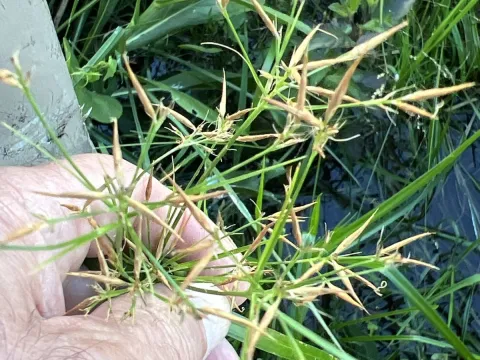
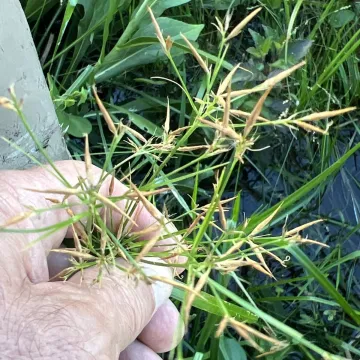
Rhynchospora corniculata, commonly known as the short-bristle horned beakrush, is a perennial herb belonging to the Cyperaceae family. It is a robust plant species known for its distinctive horn-like spikelets. In the field of botany, it is classified as a hydrophyte, perfectly adapted to environments where water levels fluctuate frequently, such as marshy wetlands and floodplain areas.
Native to the North American continent, this species primarily populates the southeastern regions of the United States. Its natural habitat includes low-lying areas, pond edges, and swales. While not a conventional staple crop in global industrial agriculture, it has gained attention in environmental restoration projects aimed at rehabilitating marshlands and improving local biodiversity in water-saturated zones.
Botanically, the plant is characterized by a strong fibrous root system and upright stems that can grow up to 1.5 meters in height. The leaves are predominantly basal and linear. The inflorescence, which gives the plant its name, features complex clusters of spikelets that change color as the seeds mature, moving from green to a deep, rustic brown. This reproductive strategy ensures wide dispersal of seeds via water currents.
Regarding cultivation requirements, Rhynchospora corniculata thrives in soils with high organic matter content and acidic to neutral pH levels. It demands full sun exposure for optimal growth. From an agronomic standpoint, the plant is highly resistant to saturated soils and occasional flooding, making it an excellent candidate for stabilizing soil on the banks of agricultural reservoirs or irrigation ditches.
The primary use of this plant is non-traditional, focusing on soil conservation and the protection of water bodies from erosion. It acts as a natural filter, helping to stabilize sediment and uptake excess nutrients from agricultural runoff. While relatively disease-resistant, the plant can suffer from fungal outbreaks in extremely stagnant conditions. Management strategies primarily involve monitoring for localized pest infestations and maintaining proper drainage during the establishment phase.
Photo gallery