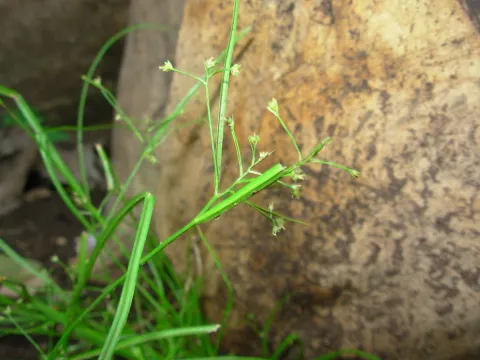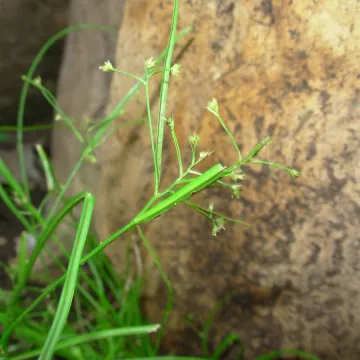
Rhynchospora contracta
Rhynchospora contracta
Description
Rhynchospora contracta is a specialized herbaceous species within the Cyperaceae family, commonly known as the sedge family. While not a conventional staple crop in industrial agriculture, it serves as a vital component in tropical wetland ecosystems and holds potential for specialized environmental projects aimed at soil stabilization and water management.
The plant originates from the tropical regions of the Americas, primarily inhabiting areas such as seasonal savannas and wetlands. Its natural range is concentrated in environments where soil moisture remains high throughout the year, allowing it to dominate in specific hydro-ecological niches where traditional grain crops would fail to survive.
Botanically, Rhynchospora contracta displays a unique structure with linear leaves and a dense, clustered inflorescence. The term "contracta" refers to the condensed nature of its flower spikes. This growth habit is an adaptation to wind pollination and efficient seed dispersal in dense vegetation, characteristic of sedges adapted to swampy environments.
The cultivation requirements are strict, focusing on moisture control and soil pH balance. This plant thrives in acidic, water-logged soils and requires high solar radiation to reach maturity. Unlike standard agricultural crops, it does not require conventional fertilization, as it is adapted to low-nutrient, organic-rich environments typical of native tropical wetlands.
Potential хозяйственные uses for this crop are predominantly ecological. By utilizing its deep, fibrous root system, agriculturalists can prevent topsoil erosion in flood-prone zones. While not a source of food, the plant is a significant subject in agricultural research regarding the biodiversity of wetlands and the protection of marginal lands against degradation.
Common issues affecting the health of Rhynchospora contracta involve fungal pathogens such as rusts and smuts, which often thrive in the same humid conditions the plant prefers. Effective management requires monitoring for signs of wilt and ensuring that water turnover is sufficient to prevent the colonization of invasive aquatic pathogens.
Photo gallery